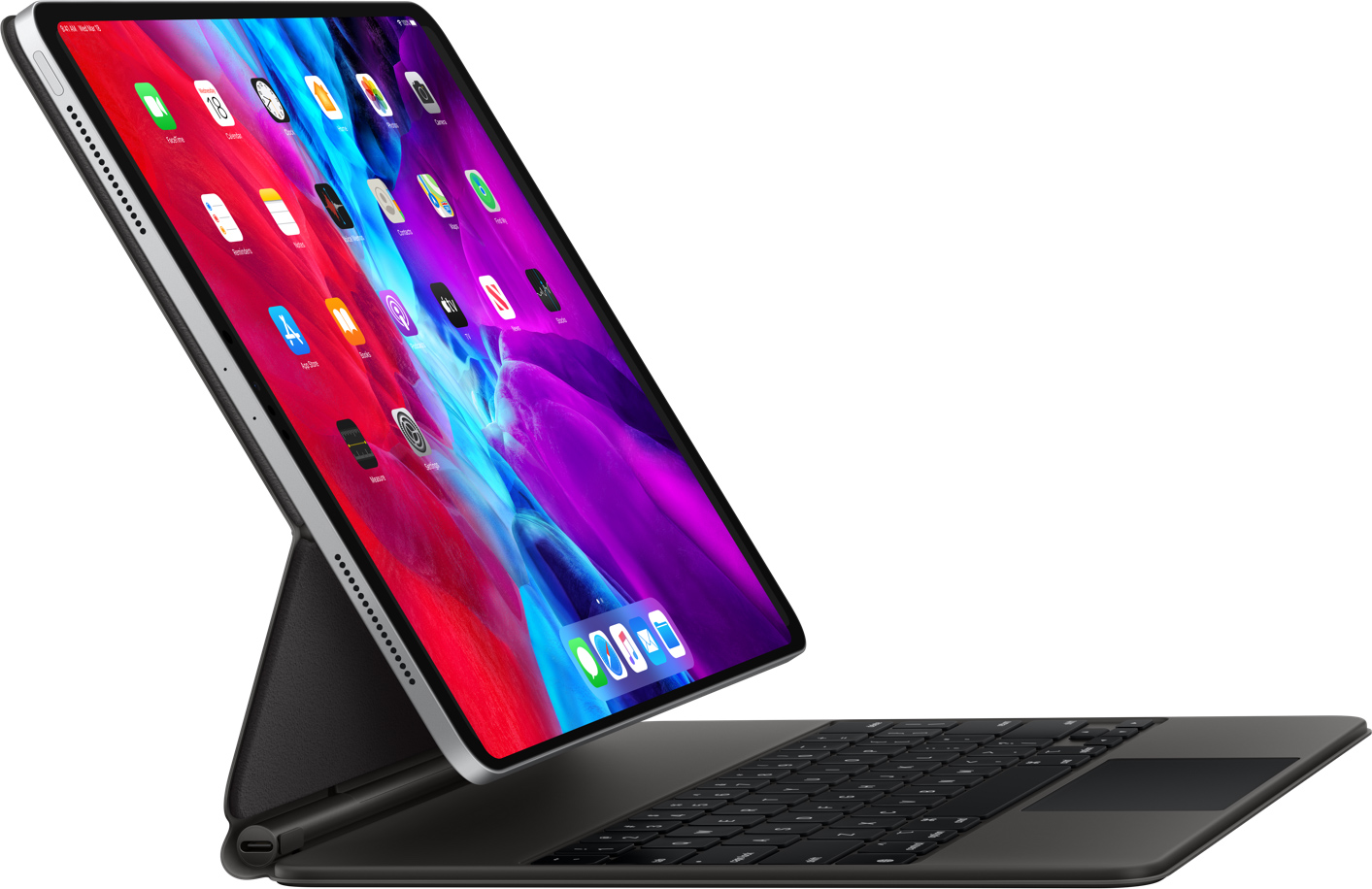
There have since been four videos in English by YouTube user MrExitStrategy, covering many of the new key features. The first of these shows the hinge system of the case, which provides a "floating" cantilevered design for smooth viewing angle adjustments of up to 130 degrees.
There is also a look at the preferences pane of the Magic Keyboard in the Settings app, revealing that the keyboard backlighting brightness may be changed manually or automatically adjusted based on ambient lighting conditions.
The most recent video offers a more detailed comparison of the Magic Keyboard with the Smart Folio Keyboard, and walks through some of the new trackpad gestures in iPadOS 13.4. This video suggests that the trackpad uses a mechanical click rather than haptic feedback. The cantilevered design is tested for stability, including for use with Apple Pencil.
Earlier this week, the Magic Keyboard became available for order online alongside the new iPhone SE, and most deliveries are expected to begin arriving next week.
OnePlus this week launched its newest flagship smartphones, the OnePlus 8 and OnePlus 8 Pro, offering high-end specs and features at a cheaper price than many of its competitors.
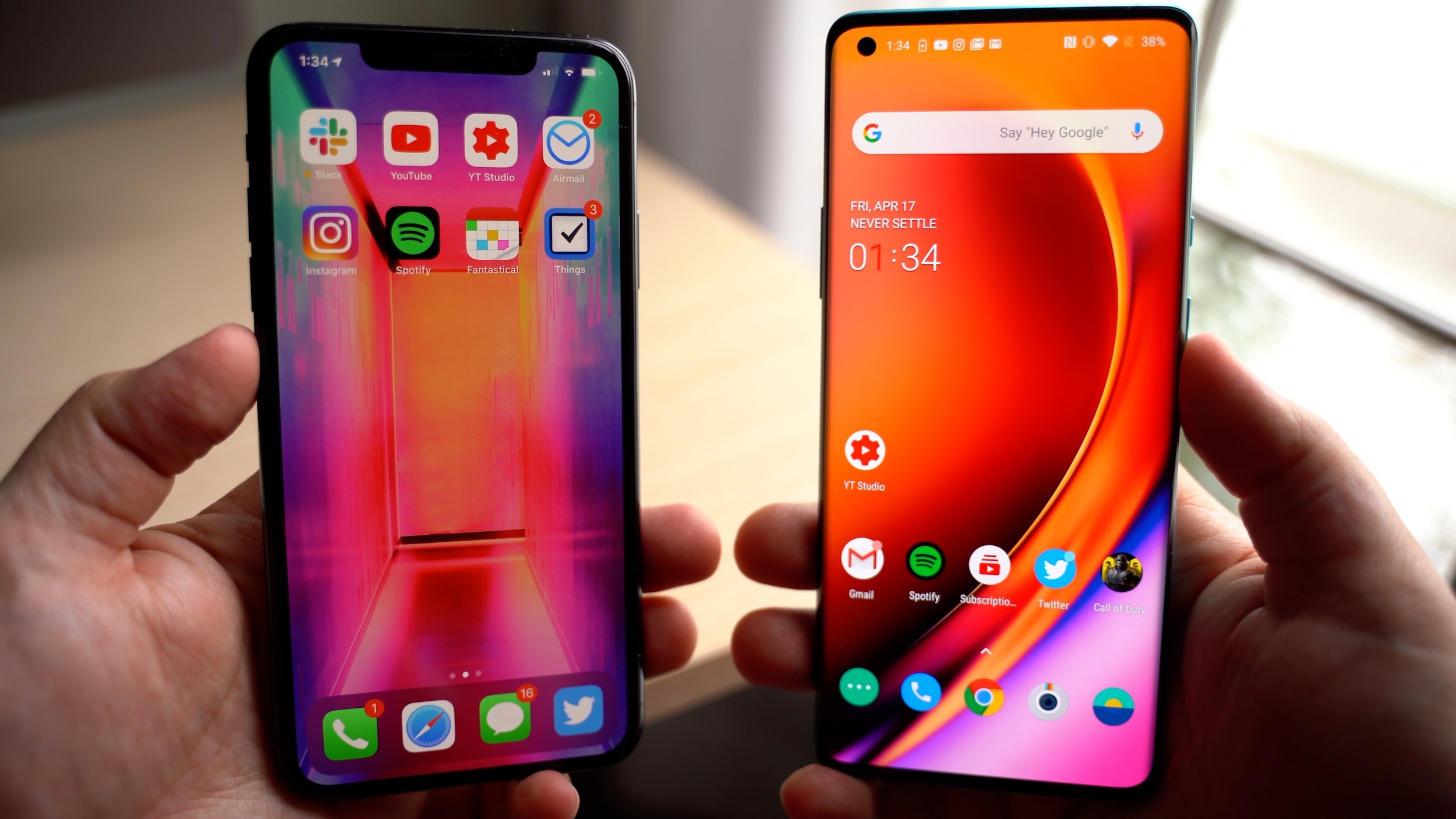
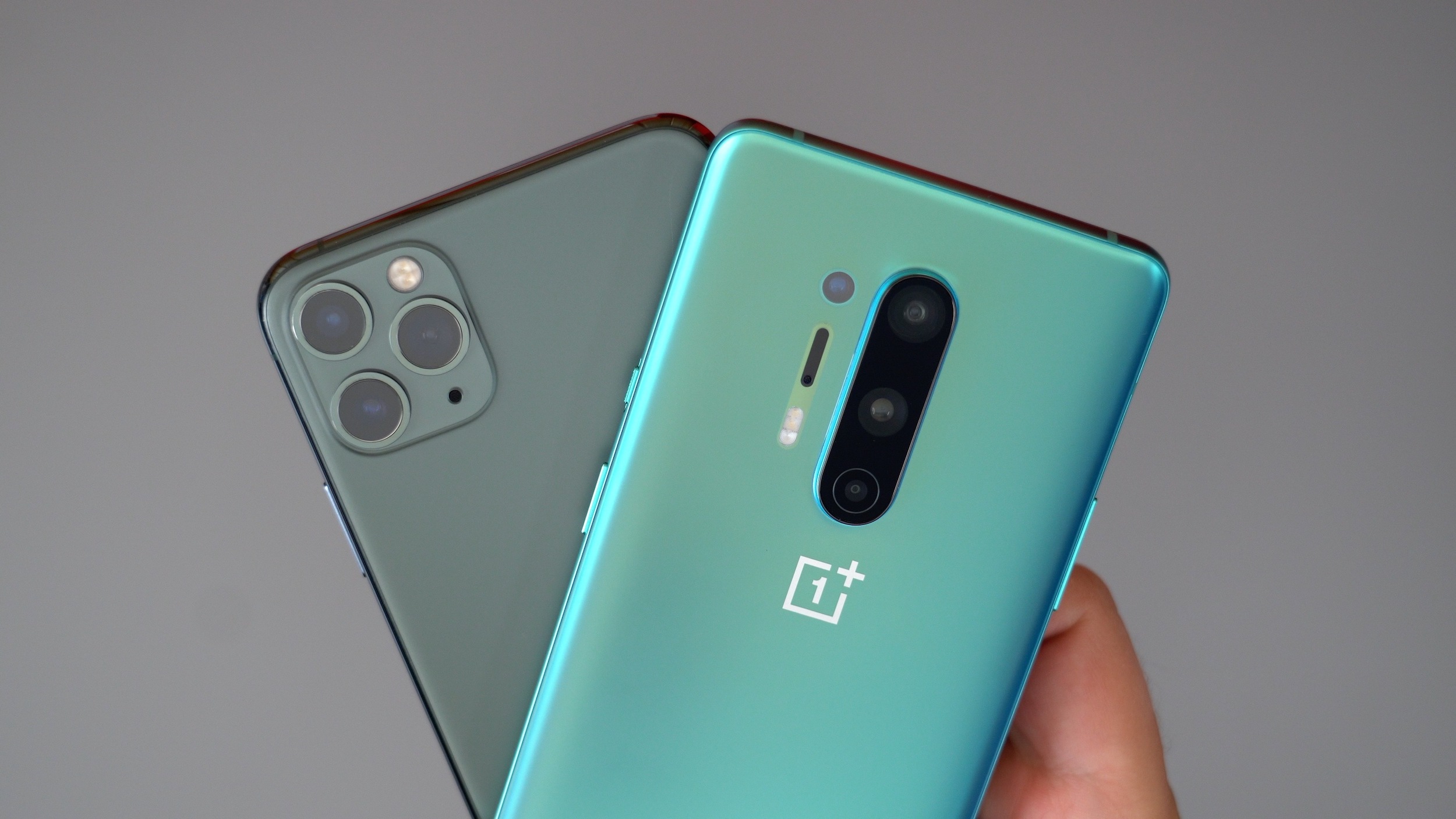
We got our hands on one of the OnePlus 8 Pro devices and thought we'd see how it measures up to the iPhone 11 Pro Max in our latest YouTube video.
There are a few models at different price points, but for our video, we're comparing the $899 OnePlus 8 Pro with 8GB RAM and 128GB of storage, plus a pretty nice looking exclusive "glacial green" color, to the mostly comparable $1249 iPhone 11 Pro Max with 4GB RAM and 256GB storage, which is a $350 premium.
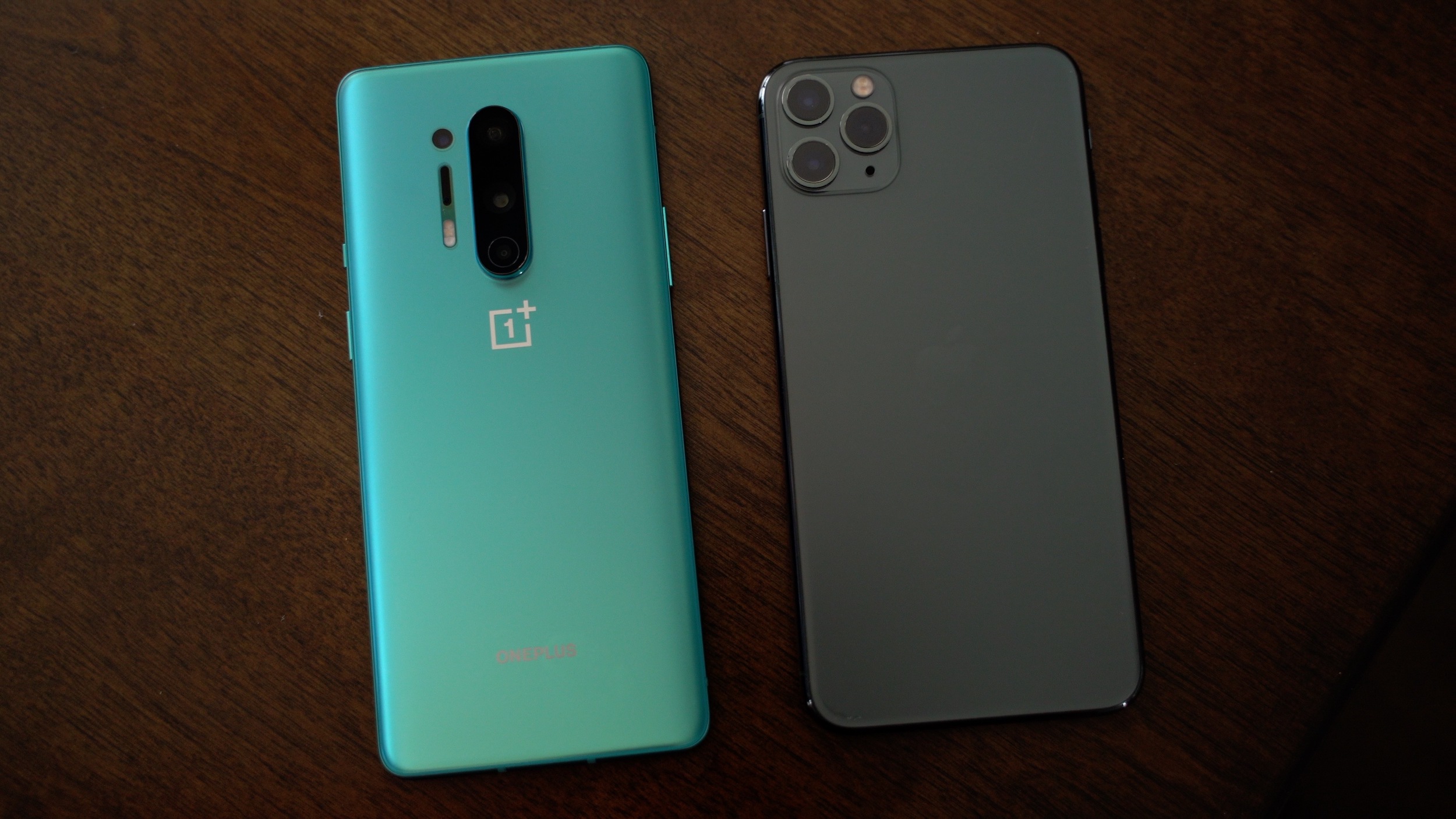
Both smartphones are attractive, well-designed, and have a premium look. The OnePlus 8 Pro features a frosted back much like the iPhone 11 Pro, and it looks attractive in the glacial green shade. OnePlus gets an edge over Apple when it comes to fun colors, as Apple is rather conservative with its Pro lineup.
The 11 Pro and the OnePlus 8 both have large camera bumps at the back. Apple's is in a square shape housing triple-lens cameras, while OnePlus opted for a vertical camera bump that's right in the middle of the smartphone. It too has a triple-lens camera.
On the side, the OnePlus 8 Pro has an alert slider that can be toggled between silent, vibrate, and ringer on, one more option than the iPhone provides with its vibrate and ringer on options.
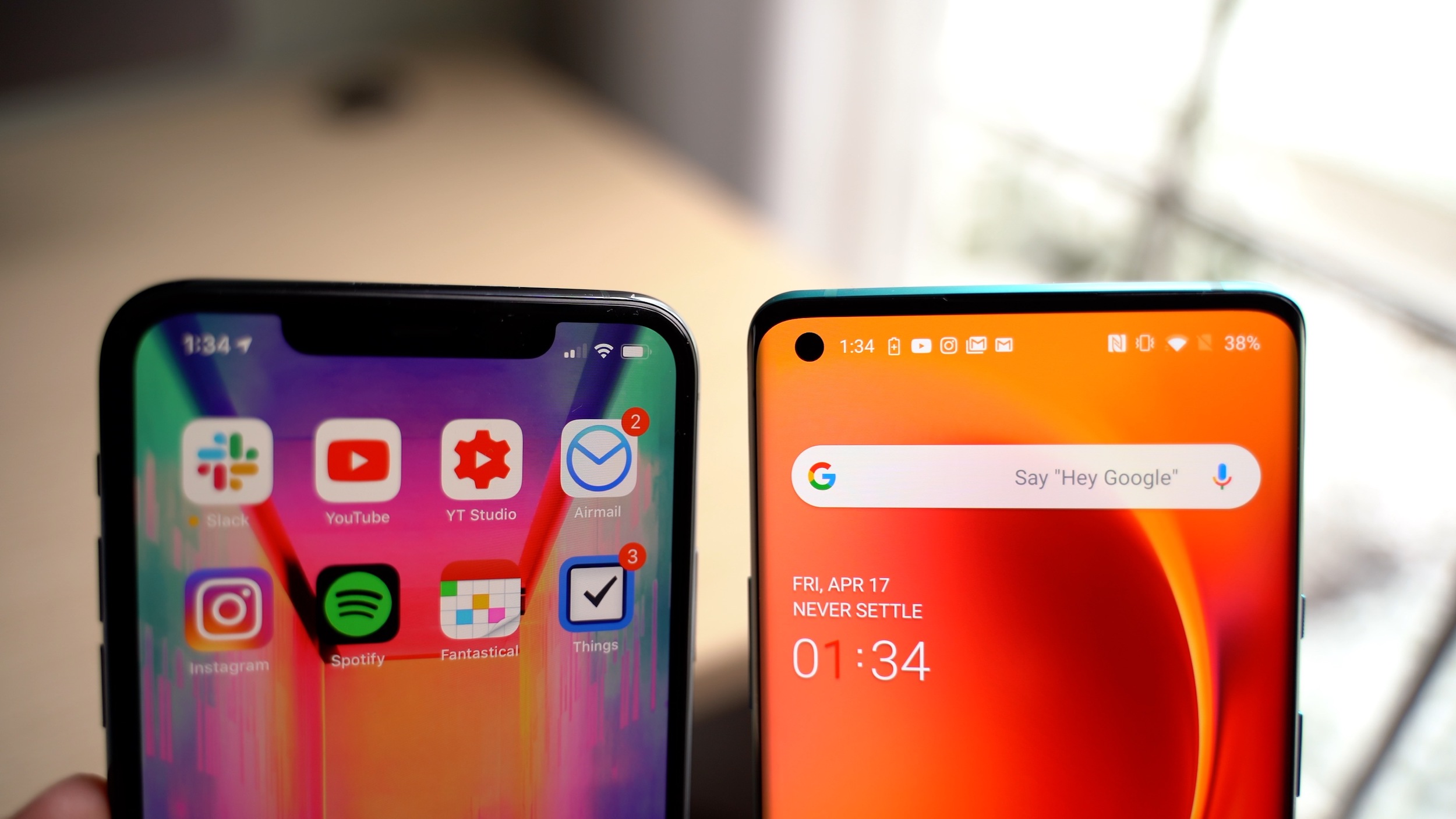
The OnePlus 8 Pro features a 6.7-inch display, which is just a bit bigger than the iPhone 11 Pro Max's 6.5-inch display. It's an OLED display with a 120Hz refresh date and a 3168 x 1440 resolution. Apple hasn't yet brought 120Hz refresh rates to the iPhone, but there have been rumors of a 120Hz iPhone display ever since Apple added the feature to the iPad Pro.
Samsung's latest flagship smartphone, the S20 Ultra, also has a 120Hz display but limited it to only 1080p. The new OnePlus 8 Pro supports 120Hz at the full resolution of the display, though at the cost of some battery life.
The OnePlus 8 Pro doesn't have anything like the True Depth Camera System or Face ID, so there's just a single hole punch camera cutout at the front on the right side, and it's otherwise all display.
With no Face ID, the OnePlus 8 Pro uses an optical fingerprint sensor, which is built into the display and seems to work fine. There have been some rumors that Apple is working on optical fingerprint sensor technology, but if it's a feature in development, it isn't something we're expecting in the 2020 iPhone lineup.
New to the OnePlus 8 Pro this year is wireless charging, a feature that iPhones have had for years now. It supports 30W fast wireless charging with a $70 charger, which means it can be charged from 0 to 50 percent in about 30 minutes (any other Qi charger is 5W, though). A 30W power adapter is included for fast wired charging though. The iPhone 11 Pro Max is limited to 7.5W wireless charging while wired fast charging requires a Lightning to USB-C cable and 18W+ power adapter.
Battery life between the two phones isn't too different. The iPhone 11 Pro Max has a 3,969 mAh battery, and the OnePlus 8 Pro has a 4,500 mAh battery.
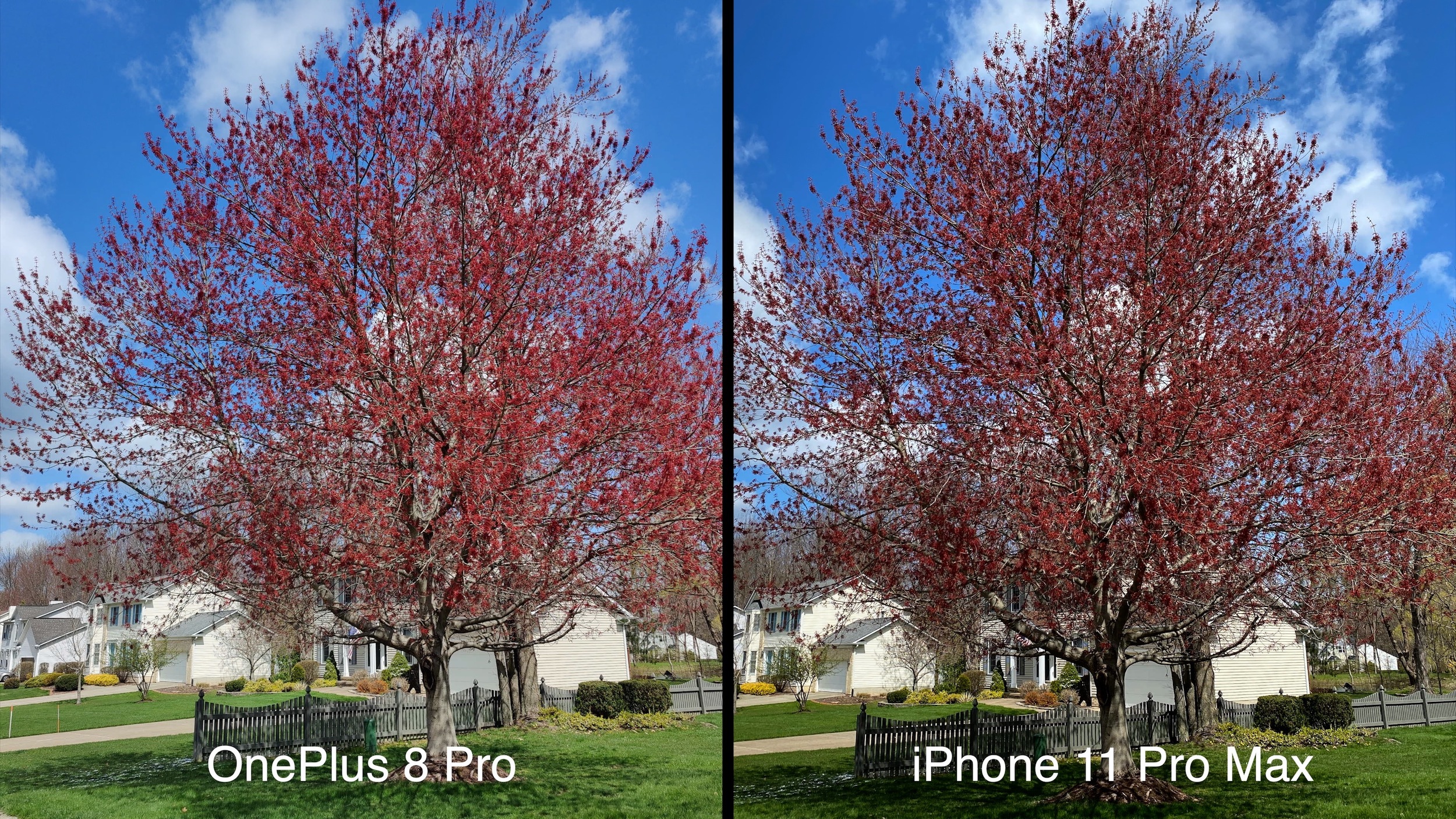
When it comes to camera quality, the OnePlus 8 Pro usually falls behind other smartphone manufacturers, and Apple is usually at the top of the pack, but OnePlus appears to have improved somewhat. This year, the OnePlus 8 Pro features a 48-megapixel wide-angle camera, a 48-megapixel ultra wide-angle camera, an 8-megapixel telephoto camera, and a 5-megapixel depth camera.
We can only test around the house at the current time so we didn't do a deep dive into the camera, but the OnePlus 8 Pro is more on par with the iPhone. Most of the time, the iPhone images still look more natural, but OnePlus does a better job at ultra wide-angle image quality, and some portrait mode photos look better.
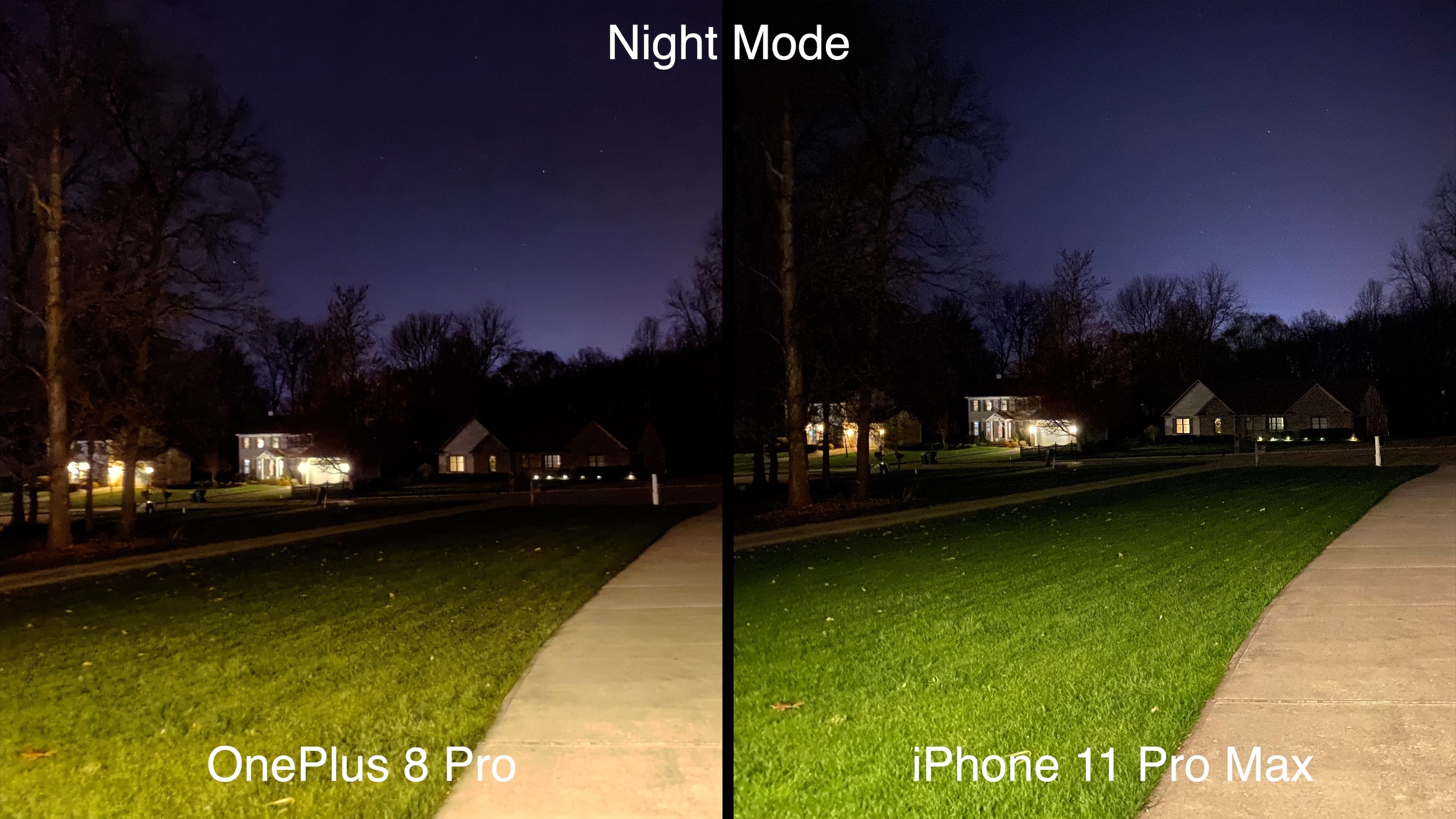
The OnePlus 8 Pro still lags behind when it comes to low-light photography (such as indoor lighting), but the longer exposure night mode images are on par with Night Mode images from the iPhone. There's also a macro photo mode, which works well and captures images with quite a lot of detail.
High-end smartphones are all so fast now that it's not useful to compare performance, and both the OnePlus 8 Pro and the iPhone 11 Pro Max perform at a level expected of a premium smartphone.
Even though the OnePlus 8 Pro is able to offer a comparable feature set to the iPhone 11 Pro Max, operating system is such a huge factor when purchasing a smartphone. A person deep in the iOS ecosystem (like many of us here at MacRumors) isn't going to swap over to Android, and the same goes for Android users who are used to that operating system.
The OnePlus 8 Pro and the iPhone 11 Pro Max are both great smartphones, and if you are in the Android ecosystem, OnePlus' new device is worth checking out. If you're someone without a strong operating system preference, the OnePlus 8 Pro is a solid iPhone competitor that has a lot to offer at a lower price.
An investigation by Talal Haj Bakry and Tommy Mysk has revealed that backwards-compatible support for HTTP in iOS and Android is allowing data from popular apps such as TikTok to be intercepted and altered.
While most apps have made the transition to HTTPS, the research discovered that TikTok on iOS and Android still uses unencrypted HTTP to download media content. Consequently, TikTok inherits all of the known and well-documented HTTP vulnerabilities.
Apple introduced App Transport Security in iOS 9, requiring all HTTP connections to use encrypted HTTPS. Google similarly changed the default network security configuration in Android Pie to block all plaintext HTTP traffic. HTTP vulnerabilities still exist, however, since Apple and Google continue provide a way for developers to opt-out of HTTPS for backwards-compatibility.
The investigation proved that it is possible to successfully intercept TikTok traffic and fool the app to show fake videos as if they were published by popular and verified accounts. Any router between the TikTok app and TikTok's servers can easily expose a user's watch history, and change profile photos and videos. While only users connected to the router will see the malicious content, the research suggests that if a popular DNS server was hacked to include a corrupt DNS record, media data could be changed on a large scale.
This article, "Security Researchers Take Advantage of Insecure HTTP to Display Fake Videos on TikTok" first appeared on MacRumors.com
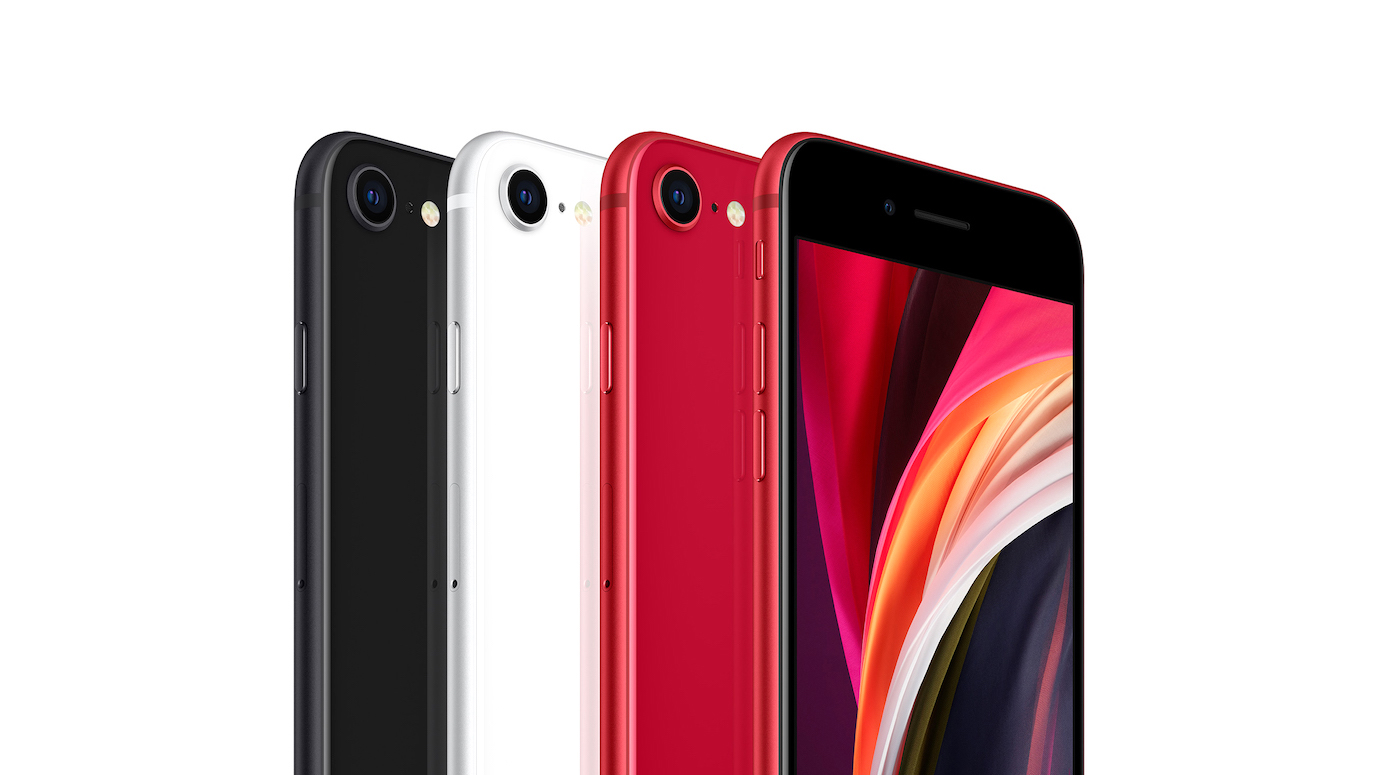
The long-awaited return of the iPhone SE is finally here! It's not as small as the original version, but it packs modern internals into an iPhone 8 design and comes at a very competitive starting price of $399.
That certainly wasn't the only news from this week, as Apple also began taking orders for the new iPad Pro Magic Keyboard several weeks ahead of its previously announced May launch date, and we saw a number of rumors about Apple's upcoming product pipeline. Apple also began testing a new battery health management feature for its recent notebook models, which will ship as part of macOS 10.15.5.
Read on for those stories and more from a very busy week in Apple news and rumors!
Apple Launches New iPhone SE With a 4.7-Inch Display, A13 Chip, and Touch ID, Starts at $399
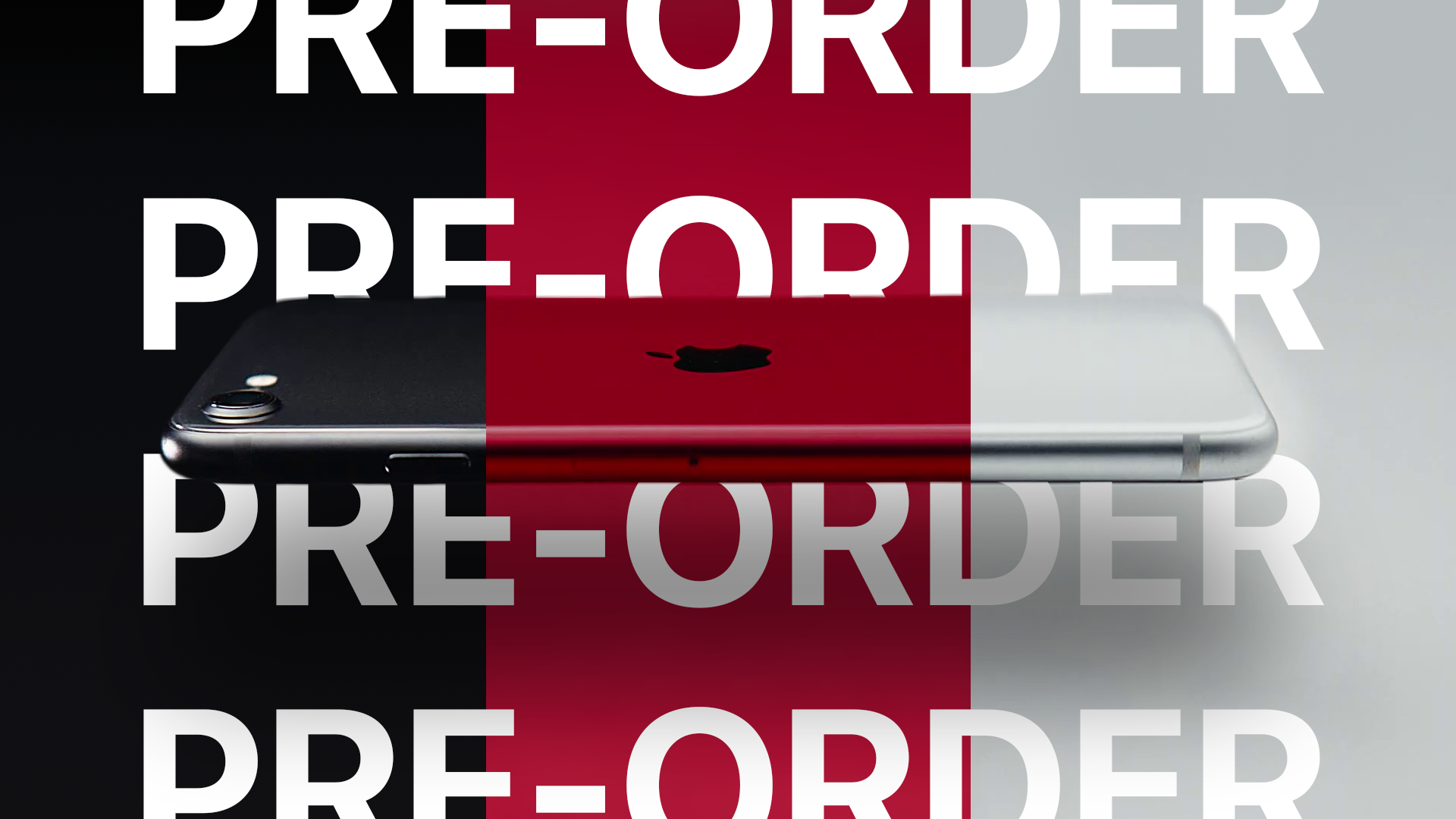
Following nearly a year of rumors, Apple this week finally introduced its second-generation iPhone SE this week with pre-orders available now ahead of an April 24 launch. The device looks similar to the iPhone 8, with a 4.7-inch display and a Touch ID home button, but it has the latest A13 Bionic chip like iPhone 11 models.
Other key features include a 12MP Wide rear camera, up to 256GB of storage, wireless charging, and Wi-Fi 6. Pricing starts at $399 in the United States, with black, white, and (RED) color options, but some carriers and retailers are offering discounts and bonuses.
Apple previously said the keyboard would launch in May, so this early availability was unexpected.
The Magic Keyboard attaches magnetically to iPad Pro with a floating cantilevered design. Like on the 16-inch MacBook Pro, the full-size keyboard has backlit scissor-switch keys with 1mm of key travel. There's also a built-in trackpad to take advantage of trackpad support in iPadOS 13.4.
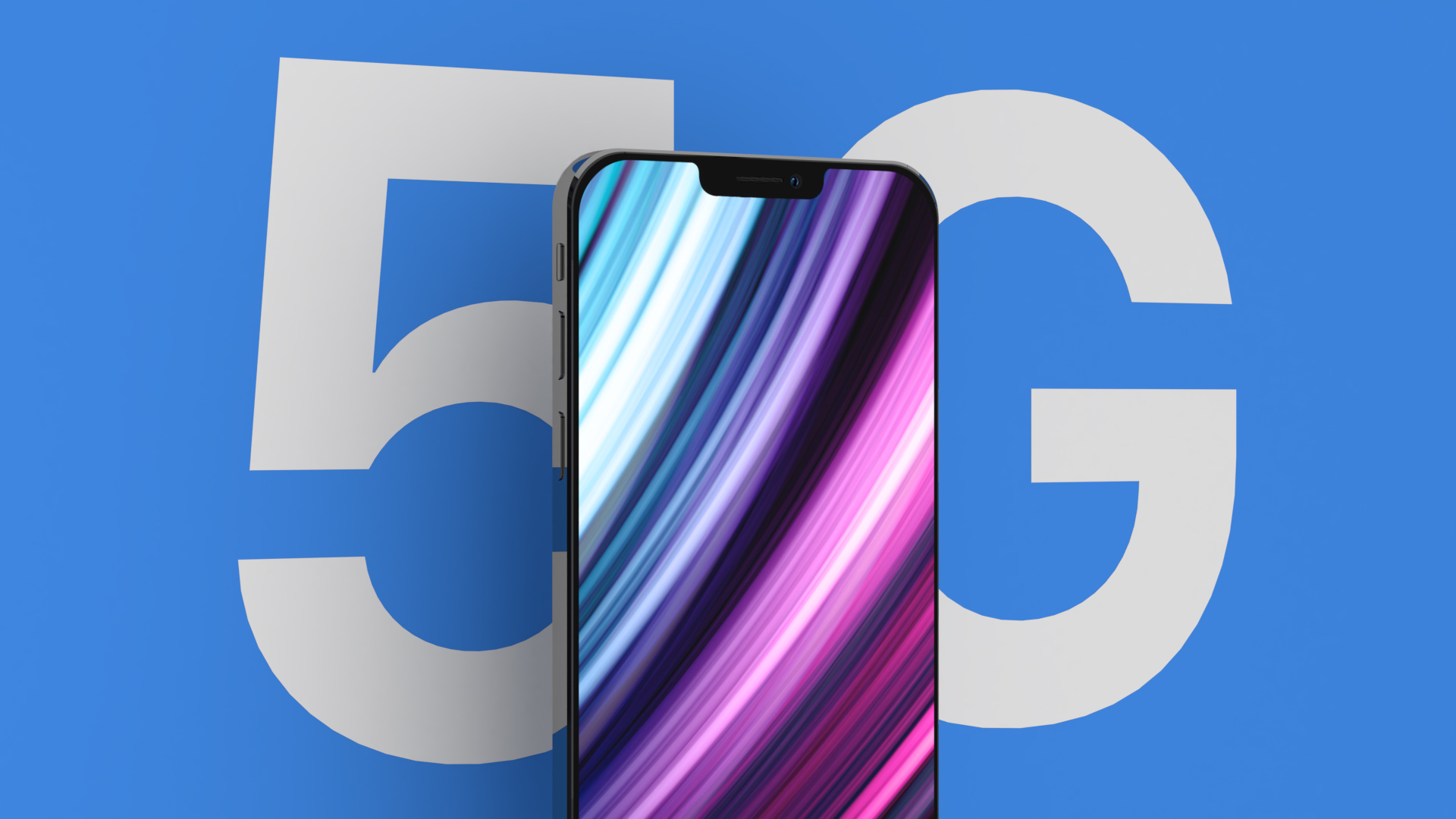
5G iPhones With Flat Edges and Slimmer Notch, Smaller HomePod, AirTags, and High-End Apple Headphones Also Expected This Year
iPhone 12 models are still expected to feature a notch for the front camera and Face ID sensors, but it will likely be reduced in size. Apple's end goal is to remove the notch entirely.
Apple traditionally launches its flagship iPhone lineup in September each year, but there is some uncertainty given the current economic situation, and some analysts have been predicting a staggered launch that could see some models not launch until as late as January 2021.
Apple is also expected to release a smaller HomePod, AirTags item trackers, and high-end, over-ear headphones later this year.
macOS Catalina 10.15.5 Beta Includes Battery Health Management Feature for Macs
Battery Health Management is designed to extend the overall lifespan of a Mac notebook by reducing chemical aging. The feature will analyze the health of a Mac's battery and, in some cases, will preserve battery health by not charging a MacBook to full capacity.
When a Mac is used plugged in and the battery is kept full for the most part, the Battery Health Management feature will kick in and it will stop short of a full charge, although battery life may still be listed as 100%.
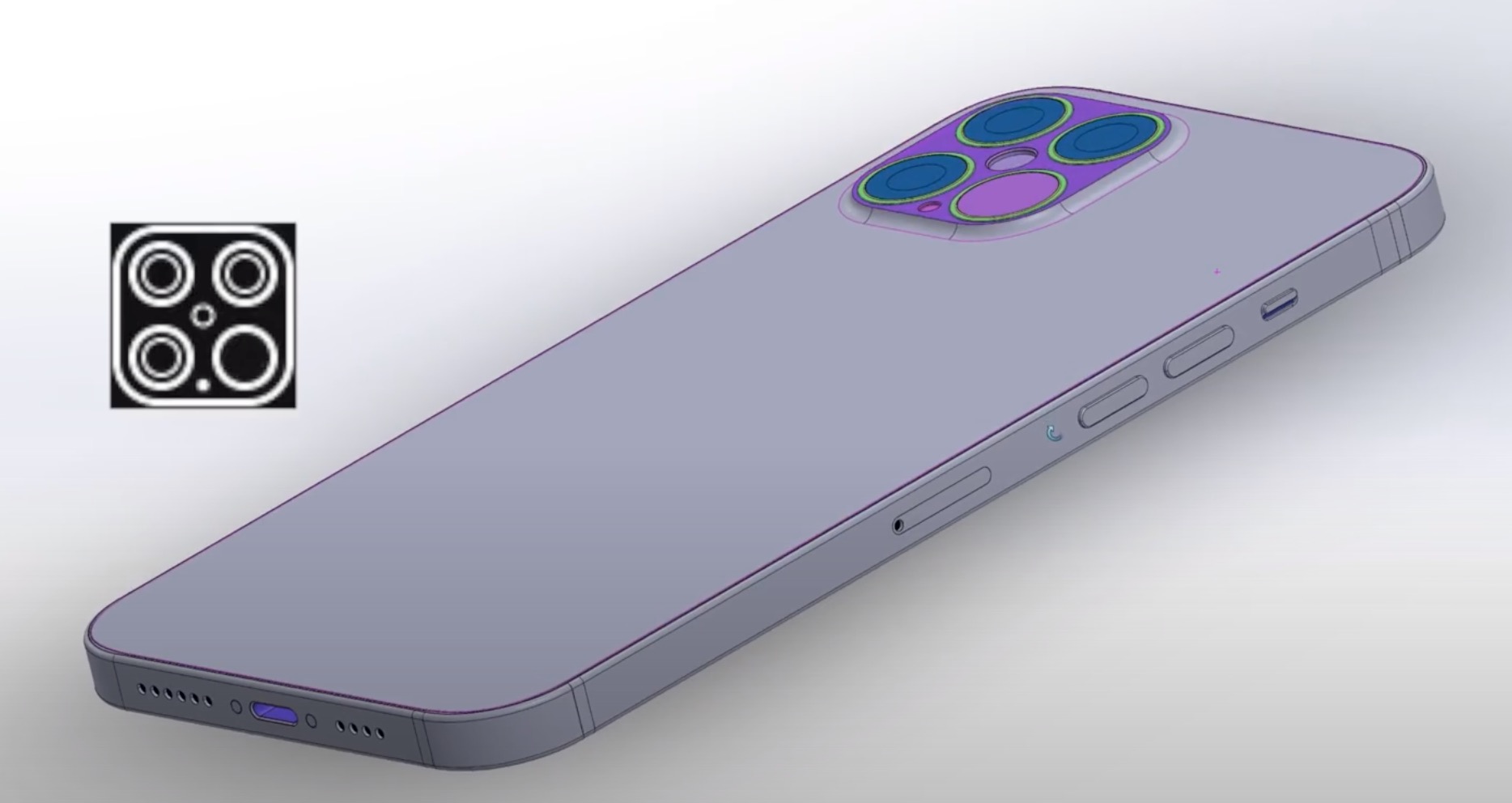
Leaked iPhone 12 Pro Max Schematics Show Thinner Design, Smaller Bezels, LiDAR Camera, and More
The key thing about the CADs is they line up with rumors suggesting that Apple's new iPhone will take many design cues from the iPad Pro. The schematics show a square-edged stainless steel frame between two pieces of glass, replacing the rounded stainless steel frame of the iPhone 11 series.
12.9-Inch iPad Pro With Mini-LED Display Possibly 'Delayed' Until Early 2021
The launch of a new high-end 12.9-inch iPad Pro with a Mini-LED display may be "delayed" until early 2021 due to the device's "complex panel design," analyst Jeff Pu said in a research note this week.
Back in December, analyst Ming-Chi Kuo said Apple was developing up to six Mini-LED products, including a 12.9-inch iPad Pro with an A14X chip for release in the third quarter of 2020. This was before the global health crisis began, however, so it would be understandable if the timeframe has been pushed back due to supply chain disruptions and Apple engineers working from home.
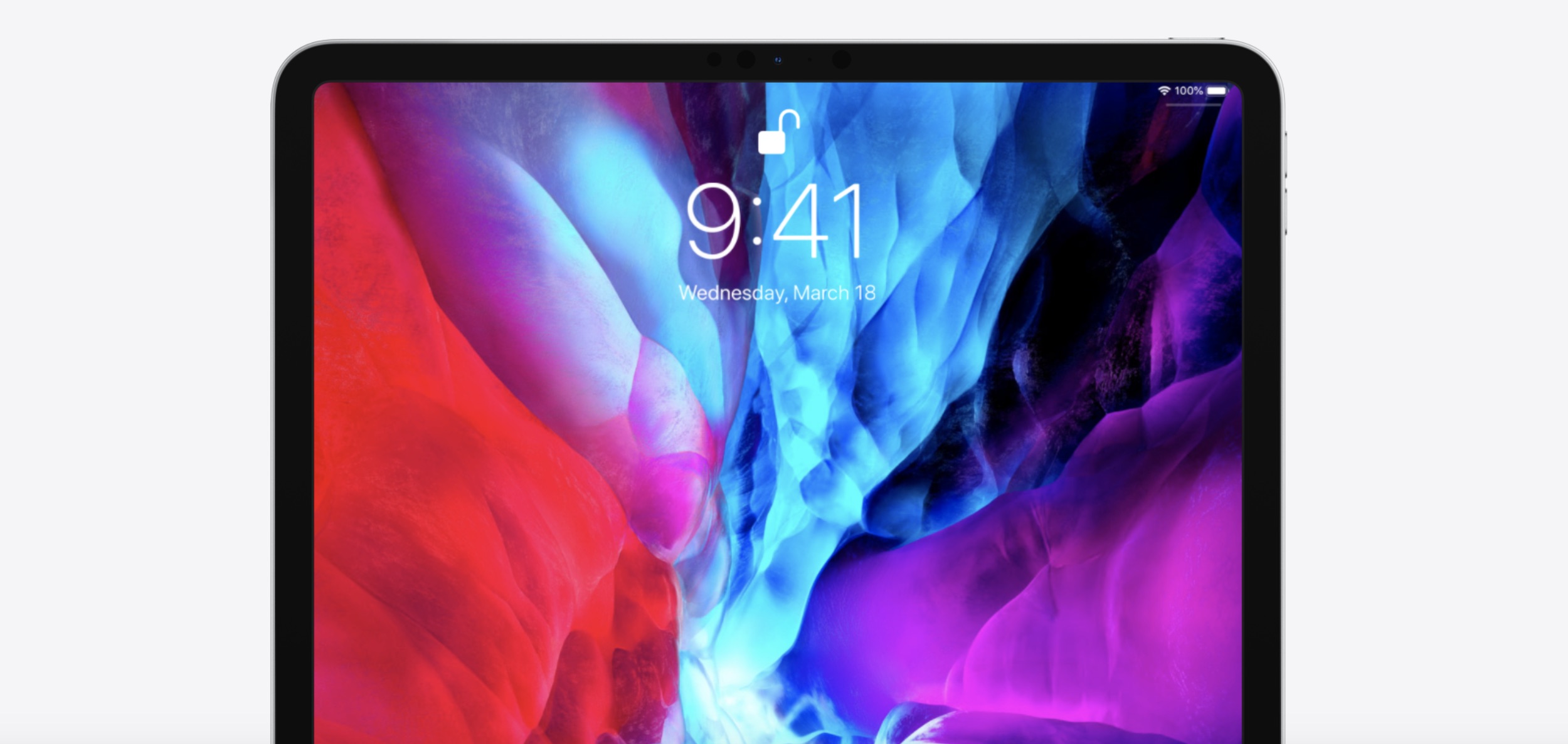
Apple just updated the iPad Pro last month with an A12Z Bionic chip, Ultra Wide camera, LiDAR Scanner, and improved microphones.
MacRumors Newsletter
Each week, we publish an email newsletter like this highlighting the top Apple stories, making it a great way to get a bite-sized recap of the week hitting all of the major topics we've covered and tying together related stories for a big-picture view.