via Chrome Unboxed – The Latest Chrome OS News https://ift.tt/2o2DBHX
Saturday, September 28, 2019
Get your Chromecast ready: Disney+ announces pre-orders with 7-day free trial

via Chrome Unboxed – The Latest Chrome OS News https://ift.tt/2lSbWZL
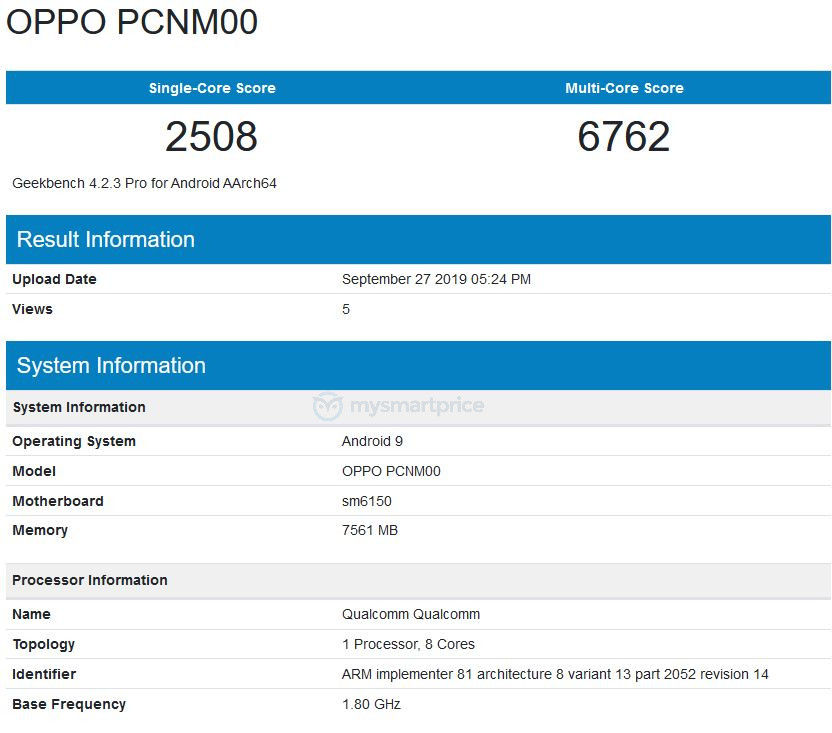
OPPO K5 Pops Up on Geekbench With Snapdragon 730 SoC, 8GB RAM

via News – MySmartPrice https://ift.tt/2mlnmFJ
Friday, September 27, 2019
LG's 2019 UHD UM7X TVs Now Support AirPlay 2 and HomeKit
https://ift.tt/2nlRfWc
LG recently rolled out a firmware update to customers who own an LG TV in the UHD UM7X series, enabling HomeKit and AirPlay 2 functionality. LG originally said that this firmware update would be available in October, but the software has come out early.
LG UHD UM7X TV owners can download the new 04.70.03 software update to enable the new functionality. AirPlay 2 and HomeKit support first began rolling out on LG TVs in July.

With AirPlay 2, LG TV users can stream TV shows and movies from an iOS or macOS device directly to the television, with no Apple TV set-top box required. A movie can be started on an iPhone and AirPlayed right to a TV, plus content can be mirrored from a Mac or iOS device to the TV.
AirPlay 2 lets multiple audio sources to play the same content, so a song can be played on a single television set, multiple television sets, or a TV and other AirPlay 2 devices such as speakers for whole home audio.
The AirPlay 2 functionality in LG TVs is linked to HomeKit, so LG TV sets with the new firmware will show up in the Home app on iPhone, iPad, and Mac. In the Home app, LG TV users can do things like switch inputs, turn the television on and off, and adjust the volume. Siri can also be used for these commands, so a simple "Hey Siri" voice request on an iOS or macOS device can adjust the volume or turn the TV on or off, much like other HomeKit products.
LG also plans to enable HomeKit and AirPlay 2 support on its LG UHD UM6X series television sets as well as the LG NanoCell SM83 series or below, but those software updates have yet to be released.
(Thanks, Samuel!)
This article, "LG's 2019 UHD UM7X TVs Now Support AirPlay 2 and HomeKit" first appeared on MacRumors.com
Discuss this article in our forums

from MacRumors: Mac News and Rumors - All Stories https://ift.tt/2ndeCkV
LG recently rolled out a firmware update to customers who own an LG TV in the UHD UM7X series, enabling HomeKit and AirPlay 2 functionality. LG originally said that this firmware update would be available in October, but the software has come out early.
LG UHD UM7X TV owners can download the new 04.70.03 software update to enable the new functionality. AirPlay 2 and HomeKit support first began rolling out on LG TVs in July.

With AirPlay 2, LG TV users can stream TV shows and movies from an iOS or macOS device directly to the television, with no Apple TV set-top box required. A movie can be started on an iPhone and AirPlayed right to a TV, plus content can be mirrored from a Mac or iOS device to the TV.
AirPlay 2 lets multiple audio sources to play the same content, so a song can be played on a single television set, multiple television sets, or a TV and other AirPlay 2 devices such as speakers for whole home audio.
The AirPlay 2 functionality in LG TVs is linked to HomeKit, so LG TV sets with the new firmware will show up in the Home app on iPhone, iPad, and Mac. In the Home app, LG TV users can do things like switch inputs, turn the television on and off, and adjust the volume. Siri can also be used for these commands, so a simple "Hey Siri" voice request on an iOS or macOS device can adjust the volume or turn the TV on or off, much like other HomeKit products.
LG also plans to enable HomeKit and AirPlay 2 support on its LG UHD UM6X series television sets as well as the LG NanoCell SM83 series or below, but those software updates have yet to be released.
(Thanks, Samuel!)
This article, "LG's 2019 UHD UM7X TVs Now Support AirPlay 2 and HomeKit" first appeared on MacRumors.com
Discuss this article in our forums
from MacRumors: Mac News and Rumors - All Stories https://ift.tt/2ndeCkV
Giveaway: Win a Solo NY bag full of mystery goodies from Chrome Unboxed

via Chrome Unboxed – The Latest Chrome OS News https://ift.tt/2mcqEel
Everything You Need to Know About Night Mode in the iPhone 11 and 11 Pro
https://ift.tt/2lGEllh
Apple's newest iPhones, the iPhone 11, iPhone 11 Pro, and iPhone 11 Pro Max, are equipped with a new feature called Night mode, which is designed to take crisp, clear photos even when lighting conditions are poor, such as at night.
Night mode, as the name suggests, lets you take photos in the evening, with lighting that has never before been possible on an iPhone thanks to new hardware and new machine learning algorithms. Though Night mode brightens photos, it also preserves the night time feeling, balancing the light and dark elements of an image.

Android smartphone makers like Google and Samsung have had special modes for brightening up evening shots for a while now, and with the 2019 iPhones, Apple is on equal footing with these other smartphone cameras.
Night mode takes advantage of the new wide-angle camera that's in the iPhone 11 and 11 Pro models. It's equipped with a larger sensor that is able to let in more light, allowing for brighter photos when the light is low.
Night mode uses the new sensor along with machine learning and the Neural Engine in the A13 processor to create Night mode shots.
When Night mode is engaged, the cameras in the iPhone analyze the available amount of light and then the iPhone chooses the number of frames needed to create a suitable image. The camera then takes a series of images for a set amount of time, such as one second, three seconds, five seconds, or in some situations, even longer.

The images are taken at different exposures, some with longer exposures and some with shorter exposures, similar to what's done when the iPhone composes an HDR image. This lets the iPhone pull out the best parts of the scene, highlighting what's important.
You'll need to hold the camera steady when using Night mode, and optical image stabilization also works to reduce shake as you take the photos. After the set amount of time, the A13 chip in the iPhone analyzes each photo that was taken, aligns them to account for movement, tosses out the images that are too blurry, and then fuses all the sharpest images of the bunch.

The resulting photo is the end image that you get when using Night mode, with Apple's software algorithms adjusting color, eliminating noise, and enhancing details to create a night time shot that preserves an impressive amount of detail.
Taking and combining several images allows Night mode to pick up more light than would be available in a single shot, which is why you can see so much more detail than the lighting conditions would normally allow for.
All of the Night mode calculations are done behind the scenes -- you'll only see the final shot, rather than being able to choose from a series of images as you can do in Burst mode even though it's a similar concept.
In a nutshell, Night mode is the result of a better camera sensor and some behind the scenes magic from Apple's A13 processor.
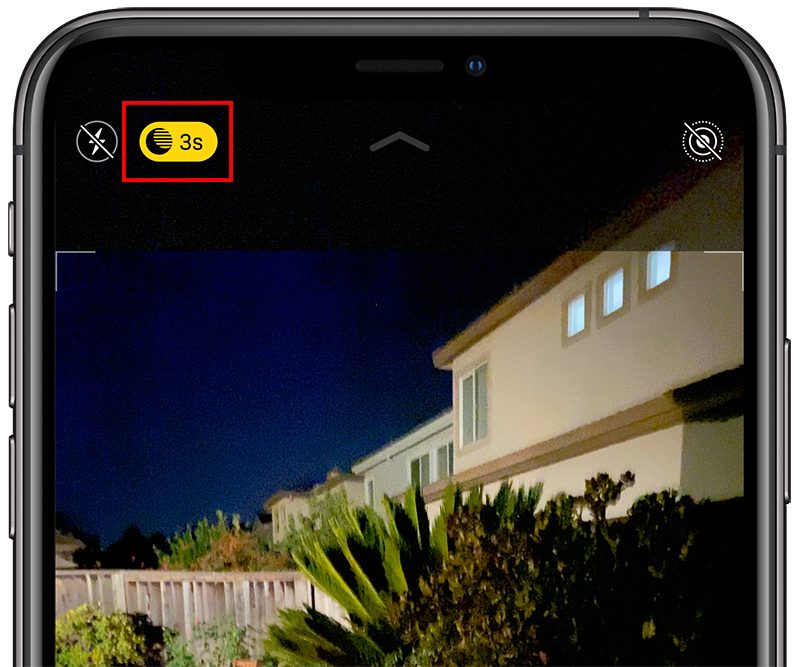
Night mode turns on automatically when the lighting conditions call for it, so there's no need to enable it. Tapping the moon icon at the top of the Camera app will let you access the Night mode settings, though, allowing for the time length of photos to be adjusted in some situations.

To turn off Night mode, tap on the moon icon at the top of the Camera app interface to open up the Night mode slider and then slide it all the way to the left to turn the feature off entirely for a photo.
Night mode will need to be turned off on a photo by photo basis, as it is meant to come on automatically. There is no setting to disable it permanently.
On the iPhone 11, Night mode is limited to the wide-angle camera as it is the only camera with optical image stabilization and because Night mode requires a camera with 100 percent focus pixels to analyze and align images.
On the iPhone 11 Pro and Pro Max, Night mode can be used with either the wide-angle camera or the telephoto camera because both of these lenses support optical image stabilization and the other necessary features for Night mode to work.
Night mode images look best with the wide-angle camera as it is the better lens, but the telephoto is an option when needed. The ultra wide-angle camera in the iPhone 11 and 11 Pro models doesn't work with Night mode.
The iPhone 11 and 11 Pro are able to analyze the lighting in a situation and will provide a recommended interval for Night mode, which is usually somewhere between one and five seconds, though it can vary based on how much ambient lighting is available.
You can tap on the moon icon at the top of the Camera interface to get to the Night mode settings, where you can change the interval from the recommended level to a longer level if desired, which can alter the look of the photo that you're capturing.

The darker the photo subject, the longer time period options your iPhone will offer up. At sunset where there's still a decent amount of light, your exposure options might max out at around 3 to 5 seconds.
In full darkness, when taking a photo of the night sky, as an example, you might see longer time intervals available, and selecting a longer time interval in this situation may allow you to see more of the night sky in the resulting image than you might have been able to capture with a shorter exposure. For maximum time, a tripod is required.

The different time intervals are worth experimenting with to get the specific look that you want for a particular image, but Apple's default shot length is calculated using a multitude of factors and almost always results in a nice looking low light shot.
Night mode takes a series of shots and is similar to a long exposure photo, so techniques used for long exposures can also be useful for Night mode.
Apple uses optical image stabilization and software to cut down on blur, but for the absolute best Night mode shots, it's a good idea to use a tripod. A tripod means there won't be any shake when capturing the multiple images that are used for a Night mode shot.

A tripod isn't needed, but when the iPhone is stable and detects that it's being held steady, it will offer longer 10 second exposure times than you can get when holding the iPhone yourself. If you want a 10 second Night mode shot of the night sky, for example, you're going to need a tripod to do it.
Even with shorter time intervals, Night mode can result in blur, so if you don't have a tripod, do your best to hold the iPhone as steady as possible. Stabilizing your arms can help.
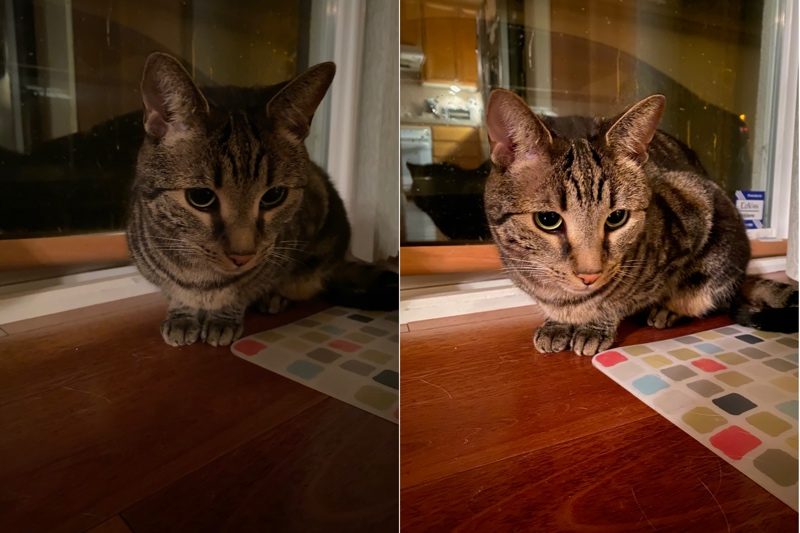
Night mode shots work best on images where there aren't moving people, pets, or objects. Since the iPhone is taking multiple shots of a subject and stitching them together, there needs to be minimal movement. A pet that's running around or an active child isn't going to make for a good night mode shot, but you can get good night time portraits of people and pets if your subject can stay still.
Night mode image via Austin Mann
Night mode isn't going to work for every photo because it can result in dramatic colors, high contrast (especially in situations where the ambient lighting is an odd color like the yellow of a street light), excessive shadows, and issues with light reflection, but more often than not, it produces incredible images and allows iPhone users to capture scenes that simply couldn't be captured with an older iPhone.
Night mode is a feature on the new 2019 iPhone 11, iPhone 11 Pro, and iPhone 11 Pro Max. It isn't available on earlier iPhones, but like other camera additions, will continue to be a feature for future iPhones and is likely to see improvements over the years.
Night mode is a feature that's unmatched by earlier iPhones, as can be seen in comparison photos between the iPhone 11 Pro Max and the iPhone XS Max. The iPhone 11 models can get a whole new level of detail in lower lighting conditions that just wasn't possible before. It's a major step forward in camera technology and is going to result in much better photos than were possible with the iPhone XS line and earlier.
Night mode isn't new -- and in fact, it's something that Google popularized last year with its Pixel 3 smartphones. Google introduced a feature called Night Sight in the Pixel 3 that blew people away.
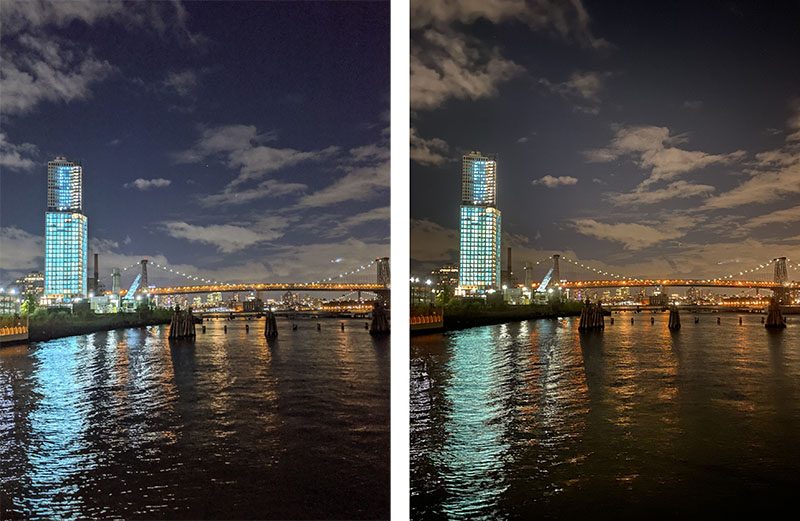
Night mode vs. Night Sight on Google Pixel 3, image via TechCrunch
Other Android smartphone manufacturers have also added similar features to their smartphones too, so this isn't a feature that originated with Apple. Below, we've shared some comparison videos and photos between Night mode in the iPhone and other Android phones with a similar feature.
Pixel 3 XL (left) vs iPhone (right), image via PCWorld
iPhone 11 (left), Pixel 3 XL (center), Galaxy S10+ (right), via PCWorld
Pixel 3 (left), iPhone 11 Pro (right), via The Verge
Apple's technology isn't too far off from the technology used by other smartphone makers, and as with any camera setup, image preference is going to vary from person to person.
Have questions about Night mode, know of a feature we left out, or want to offer feedback on this guide? Send us an email here.
This article, "Everything You Need to Know About Night Mode in the iPhone 11 and 11 Pro" first appeared on MacRumors.com
Discuss this article in our forums

from MacRumors: Mac News and Rumors - All Stories https://ift.tt/2lHvtMp
Apple's newest iPhones, the iPhone 11, iPhone 11 Pro, and iPhone 11 Pro Max, are equipped with a new feature called Night mode, which is designed to take crisp, clear photos even when lighting conditions are poor, such as at night.
Night mode, as the name suggests, lets you take photos in the evening, with lighting that has never before been possible on an iPhone thanks to new hardware and new machine learning algorithms. Though Night mode brightens photos, it also preserves the night time feeling, balancing the light and dark elements of an image.

Android smartphone makers like Google and Samsung have had special modes for brightening up evening shots for a while now, and with the 2019 iPhones, Apple is on equal footing with these other smartphone cameras.
How Night Mode Works
Night mode takes advantage of the new wide-angle camera that's in the iPhone 11 and 11 Pro models. It's equipped with a larger sensor that is able to let in more light, allowing for brighter photos when the light is low.
Night mode uses the new sensor along with machine learning and the Neural Engine in the A13 processor to create Night mode shots.
When Night mode is engaged, the cameras in the iPhone analyze the available amount of light and then the iPhone chooses the number of frames needed to create a suitable image. The camera then takes a series of images for a set amount of time, such as one second, three seconds, five seconds, or in some situations, even longer.

The images are taken at different exposures, some with longer exposures and some with shorter exposures, similar to what's done when the iPhone composes an HDR image. This lets the iPhone pull out the best parts of the scene, highlighting what's important.
You'll need to hold the camera steady when using Night mode, and optical image stabilization also works to reduce shake as you take the photos. After the set amount of time, the A13 chip in the iPhone analyzes each photo that was taken, aligns them to account for movement, tosses out the images that are too blurry, and then fuses all the sharpest images of the bunch.

The resulting photo is the end image that you get when using Night mode, with Apple's software algorithms adjusting color, eliminating noise, and enhancing details to create a night time shot that preserves an impressive amount of detail.
Taking and combining several images allows Night mode to pick up more light than would be available in a single shot, which is why you can see so much more detail than the lighting conditions would normally allow for.
All of the Night mode calculations are done behind the scenes -- you'll only see the final shot, rather than being able to choose from a series of images as you can do in Burst mode even though it's a similar concept.
In a nutshell, Night mode is the result of a better camera sensor and some behind the scenes magic from Apple's A13 processor.
Activating Night Mode
Night mode turns on automatically when the lighting conditions call for it, so there's no need to enable it. Tapping the moon icon at the top of the Camera app will let you access the Night mode settings, though, allowing for the time length of photos to be adjusted in some situations.

Turning Night Mode Off
To turn off Night mode, tap on the moon icon at the top of the Camera app interface to open up the Night mode slider and then slide it all the way to the left to turn the feature off entirely for a photo.
Night mode will need to be turned off on a photo by photo basis, as it is meant to come on automatically. There is no setting to disable it permanently.
Night Mode Lenses
On the iPhone 11, Night mode is limited to the wide-angle camera as it is the only camera with optical image stabilization and because Night mode requires a camera with 100 percent focus pixels to analyze and align images.
On the iPhone 11 Pro and Pro Max, Night mode can be used with either the wide-angle camera or the telephoto camera because both of these lenses support optical image stabilization and the other necessary features for Night mode to work.
Night mode images look best with the wide-angle camera as it is the better lens, but the telephoto is an option when needed. The ultra wide-angle camera in the iPhone 11 and 11 Pro models doesn't work with Night mode.
Using Night Mode's Time Intervals
The iPhone 11 and 11 Pro are able to analyze the lighting in a situation and will provide a recommended interval for Night mode, which is usually somewhere between one and five seconds, though it can vary based on how much ambient lighting is available.
You can tap on the moon icon at the top of the Camera interface to get to the Night mode settings, where you can change the interval from the recommended level to a longer level if desired, which can alter the look of the photo that you're capturing.

The darker the photo subject, the longer time period options your iPhone will offer up. At sunset where there's still a decent amount of light, your exposure options might max out at around 3 to 5 seconds.
In full darkness, when taking a photo of the night sky, as an example, you might see longer time intervals available, and selecting a longer time interval in this situation may allow you to see more of the night sky in the resulting image than you might have been able to capture with a shorter exposure. For maximum time, a tripod is required.

The different time intervals are worth experimenting with to get the specific look that you want for a particular image, but Apple's default shot length is calculated using a multitude of factors and almost always results in a nice looking low light shot.
Getting the Best Night Mode Shots
Night mode takes a series of shots and is similar to a long exposure photo, so techniques used for long exposures can also be useful for Night mode.
Apple uses optical image stabilization and software to cut down on blur, but for the absolute best Night mode shots, it's a good idea to use a tripod. A tripod means there won't be any shake when capturing the multiple images that are used for a Night mode shot.

A tripod isn't needed, but when the iPhone is stable and detects that it's being held steady, it will offer longer 10 second exposure times than you can get when holding the iPhone yourself. If you want a 10 second Night mode shot of the night sky, for example, you're going to need a tripod to do it.
Even with shorter time intervals, Night mode can result in blur, so if you don't have a tripod, do your best to hold the iPhone as steady as possible. Stabilizing your arms can help.
Night mode shots work best on images where there aren't moving people, pets, or objects. Since the iPhone is taking multiple shots of a subject and stitching them together, there needs to be minimal movement. A pet that's running around or an active child isn't going to make for a good night mode shot, but you can get good night time portraits of people and pets if your subject can stay still.
Night mode isn't going to work for every photo because it can result in dramatic colors, high contrast (especially in situations where the ambient lighting is an odd color like the yellow of a street light), excessive shadows, and issues with light reflection, but more often than not, it produces incredible images and allows iPhone users to capture scenes that simply couldn't be captured with an older iPhone.
Night Mode Availability
Night mode is a feature on the new 2019 iPhone 11, iPhone 11 Pro, and iPhone 11 Pro Max. It isn't available on earlier iPhones, but like other camera additions, will continue to be a feature for future iPhones and is likely to see improvements over the years.
Night Mode vs. Earlier iPhones
Night mode is a feature that's unmatched by earlier iPhones, as can be seen in comparison photos between the iPhone 11 Pro Max and the iPhone XS Max. The iPhone 11 models can get a whole new level of detail in lower lighting conditions that just wasn't possible before. It's a major step forward in camera technology and is going to result in much better photos than were possible with the iPhone XS line and earlier.
Comparisons With Android Smartphones
Night mode isn't new -- and in fact, it's something that Google popularized last year with its Pixel 3 smartphones. Google introduced a feature called Night Sight in the Pixel 3 that blew people away.
Other Android smartphone manufacturers have also added similar features to their smartphones too, so this isn't a feature that originated with Apple. Below, we've shared some comparison videos and photos between Night mode in the iPhone and other Android phones with a similar feature.
Apple's technology isn't too far off from the technology used by other smartphone makers, and as with any camera setup, image preference is going to vary from person to person.
Guide Feedback
Have questions about Night mode, know of a feature we left out, or want to offer feedback on this guide? Send us an email here.
Related Roundups: iPhone 11, iPhone 11 Pro
Buyer's Guide: iPhone 11 (Buy Now), iPhone 11 Pro (Buy Now)
This article, "Everything You Need to Know About Night Mode in the iPhone 11 and 11 Pro" first appeared on MacRumors.com
Discuss this article in our forums
from MacRumors: Mac News and Rumors - All Stories https://ift.tt/2lHvtMp
MacRumors Giveaway: Win an Adonit Note Stylus for Your iPad
https://ift.tt/2mnST9U
For this week's giveaway, we've teamed up with Adonit to offer MacRumors readers a chance to win an Adonit Note stylus designed for the iPad, which works as a more affordable alternative to the Apple Pencil.
Priced at just $49.99, the Adonit Note is similar to the Apple Pencil as it does not require Bluetooth to connect to an iPad. Just turn it on and it works.

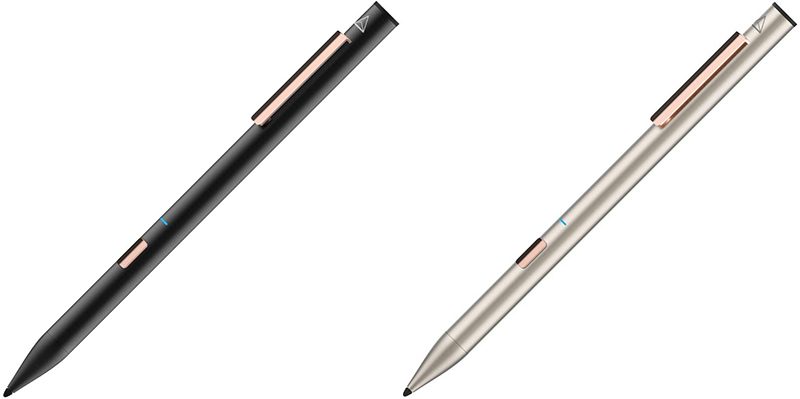
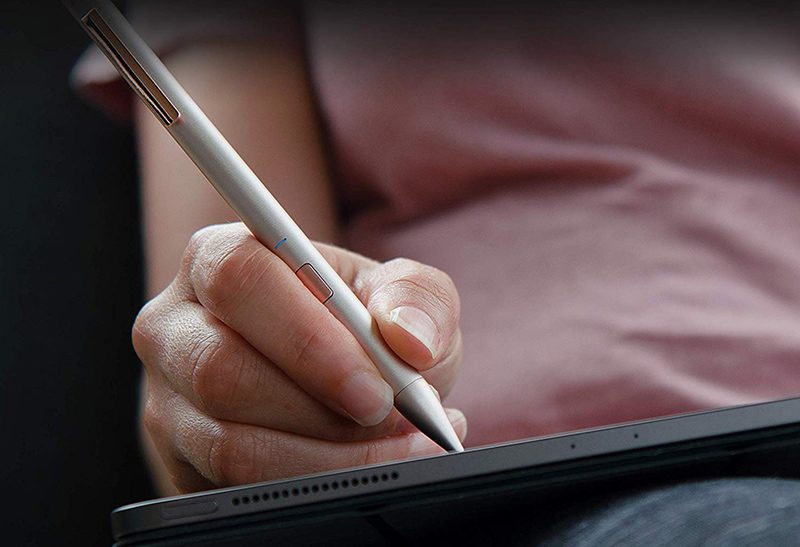
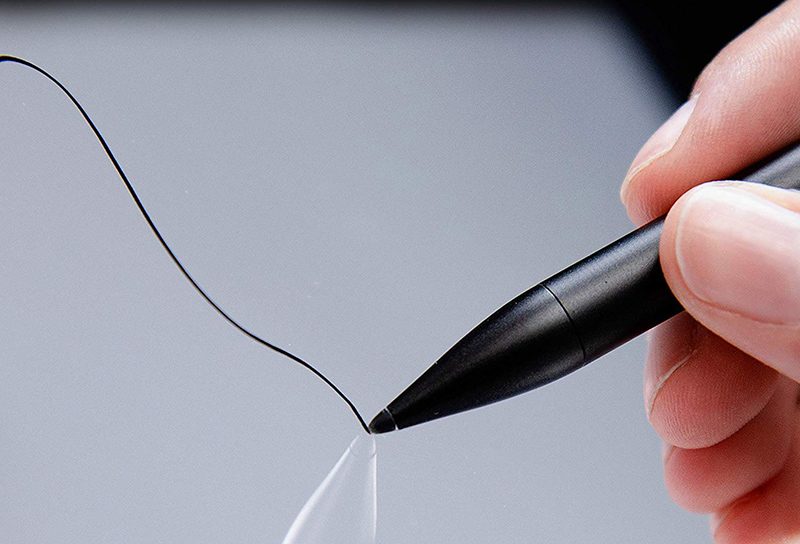
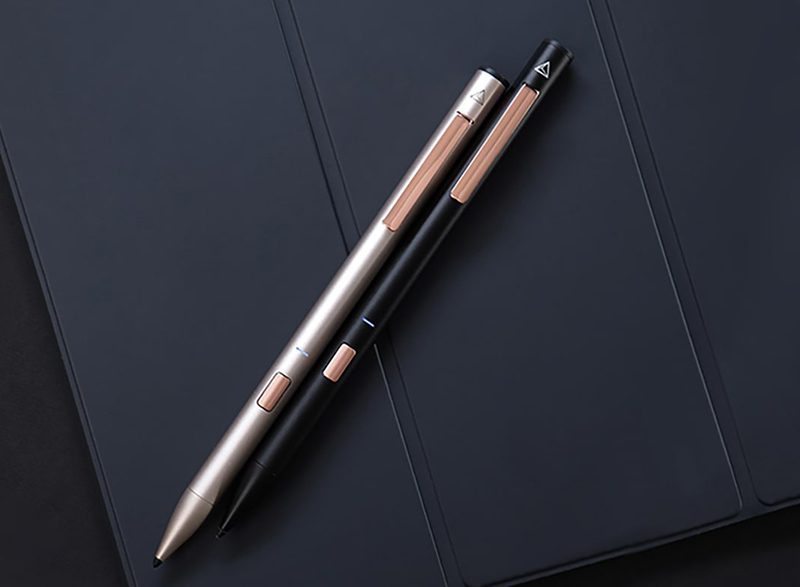
The Adonit Note has a tiny tip much like the Apple Pencil, so it has the precision needed for note taking, sketching, drawing, and more. It comes in either gold or black, and it looks a lot like a regular pen.

Many of the Apple Pencil features are available in the Adonit Note. You can tap on the iPad with the tip of the Adonit Note to activate the Notes app, so you can jump right into taking notes from the Home screen of the iPad.

The Adonit Note features a replaceable tip so when it wears down, you can pop it off with a twist instead of purchasing a whole new stylus, and it features a long 12-hour battery life. A four minute charge through the micro-USB port lets you use it for an hour, while a 45 minute charge gives you the full battery life.

We reviewed the Adonit Note earlier this year and found that it works just as well as the Apple Pencil in terms of latency and palm rejection. You can rest your hand on the display just like you can with the Apple Pencil, so the experience is similar, but there is no pressure sensitivity.
The Adonit Note is compatible with the third-generation iPad Air, the fifth-generation iPad mini, the sixth and seventh-generation iPad, and the third-generation 11 and 12.9-inch iPad Pro models.

We have 10 of the Adonit Note styluses to give away to MacRumors readers. To enter to win, use the Gleam.io widget below and enter an email address. Email addresses will be used solely for contact purposes to reach the winners and send the prizes. You can earn additional entries by subscribing to our weekly newsletter, subscribing to our YouTube channel, following us on Twitter, following us on Instagram, or visiting the MacRumors Facebook page.
Due to the complexities of international laws regarding giveaways, only U.S. residents who are 18 years or older and Canadian residents (excluding Quebec) who have reached the age of majority in their province or territory are eligible to enter. To offer feedback or get more information on the giveaway restrictions, please refer to our Site Feedback section, as that is where discussion of the rules will be redirected.
Adonit Note Stylus
The contest will run from today (September 27) at 11:00 a.m. Pacific Time through 11:00 a.m. Pacific Time on October 4. The winners will be chosen randomly on October 4 and will be contacted by email. The winners will have 48 hours to respond and provide a shipping address before new winners are chosen.
This article, "MacRumors Giveaway: Win an Adonit Note Stylus for Your iPad" first appeared on MacRumors.com
Discuss this article in our forums

from MacRumors: Mac News and Rumors - All Stories https://ift.tt/2nMXQcz
For this week's giveaway, we've teamed up with Adonit to offer MacRumors readers a chance to win an Adonit Note stylus designed for the iPad, which works as a more affordable alternative to the Apple Pencil.
Priced at just $49.99, the Adonit Note is similar to the Apple Pencil as it does not require Bluetooth to connect to an iPad. Just turn it on and it works.

The Adonit Note has a tiny tip much like the Apple Pencil, so it has the precision needed for note taking, sketching, drawing, and more. It comes in either gold or black, and it looks a lot like a regular pen.

Many of the Apple Pencil features are available in the Adonit Note. You can tap on the iPad with the tip of the Adonit Note to activate the Notes app, so you can jump right into taking notes from the Home screen of the iPad.

The Adonit Note features a replaceable tip so when it wears down, you can pop it off with a twist instead of purchasing a whole new stylus, and it features a long 12-hour battery life. A four minute charge through the micro-USB port lets you use it for an hour, while a 45 minute charge gives you the full battery life.

We reviewed the Adonit Note earlier this year and found that it works just as well as the Apple Pencil in terms of latency and palm rejection. You can rest your hand on the display just like you can with the Apple Pencil, so the experience is similar, but there is no pressure sensitivity.
The Adonit Note is compatible with the third-generation iPad Air, the fifth-generation iPad mini, the sixth and seventh-generation iPad, and the third-generation 11 and 12.9-inch iPad Pro models.

We have 10 of the Adonit Note styluses to give away to MacRumors readers. To enter to win, use the Gleam.io widget below and enter an email address. Email addresses will be used solely for contact purposes to reach the winners and send the prizes. You can earn additional entries by subscribing to our weekly newsletter, subscribing to our YouTube channel, following us on Twitter, following us on Instagram, or visiting the MacRumors Facebook page.
Due to the complexities of international laws regarding giveaways, only U.S. residents who are 18 years or older and Canadian residents (excluding Quebec) who have reached the age of majority in their province or territory are eligible to enter. To offer feedback or get more information on the giveaway restrictions, please refer to our Site Feedback section, as that is where discussion of the rules will be redirected.
Tag: giveaway
This article, "MacRumors Giveaway: Win an Adonit Note Stylus for Your iPad" first appeared on MacRumors.com
Discuss this article in our forums
from MacRumors: Mac News and Rumors - All Stories https://ift.tt/2nMXQcz
Subscribe to:
Posts (Atom)