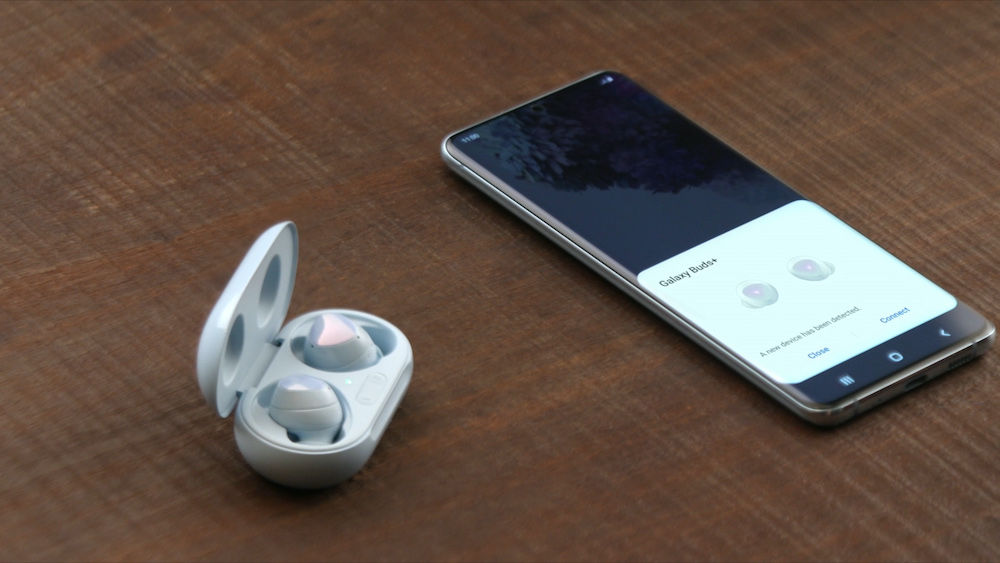
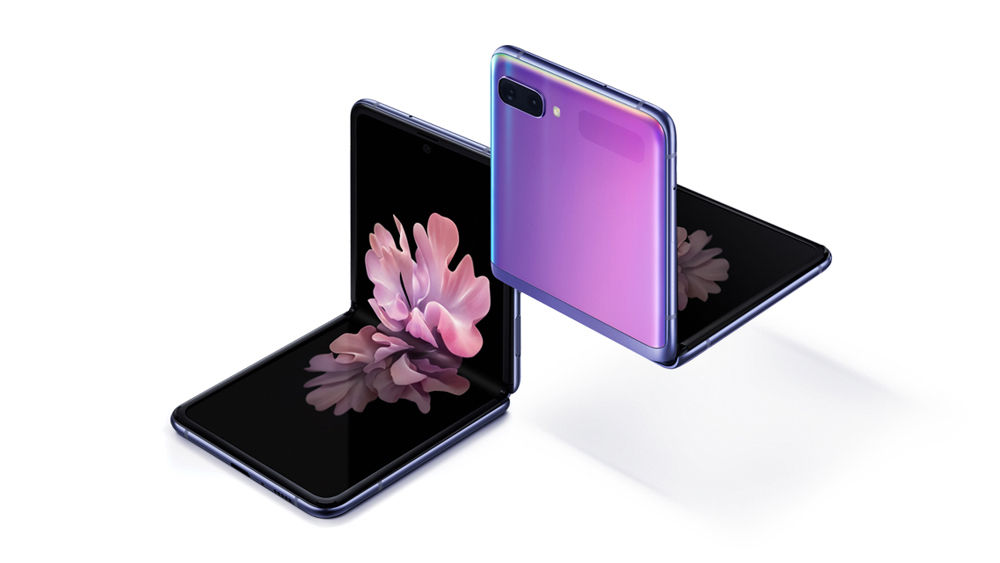
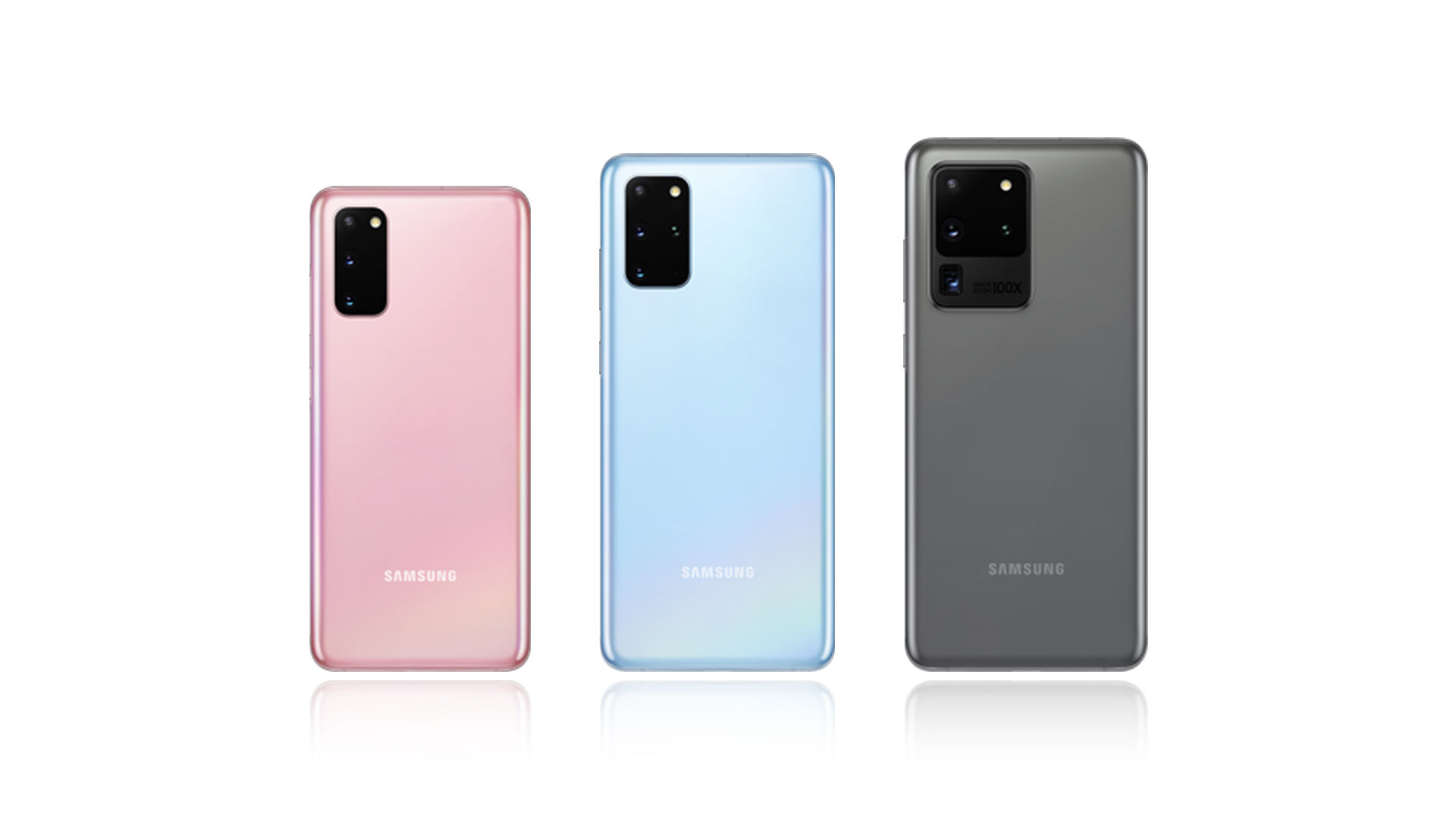
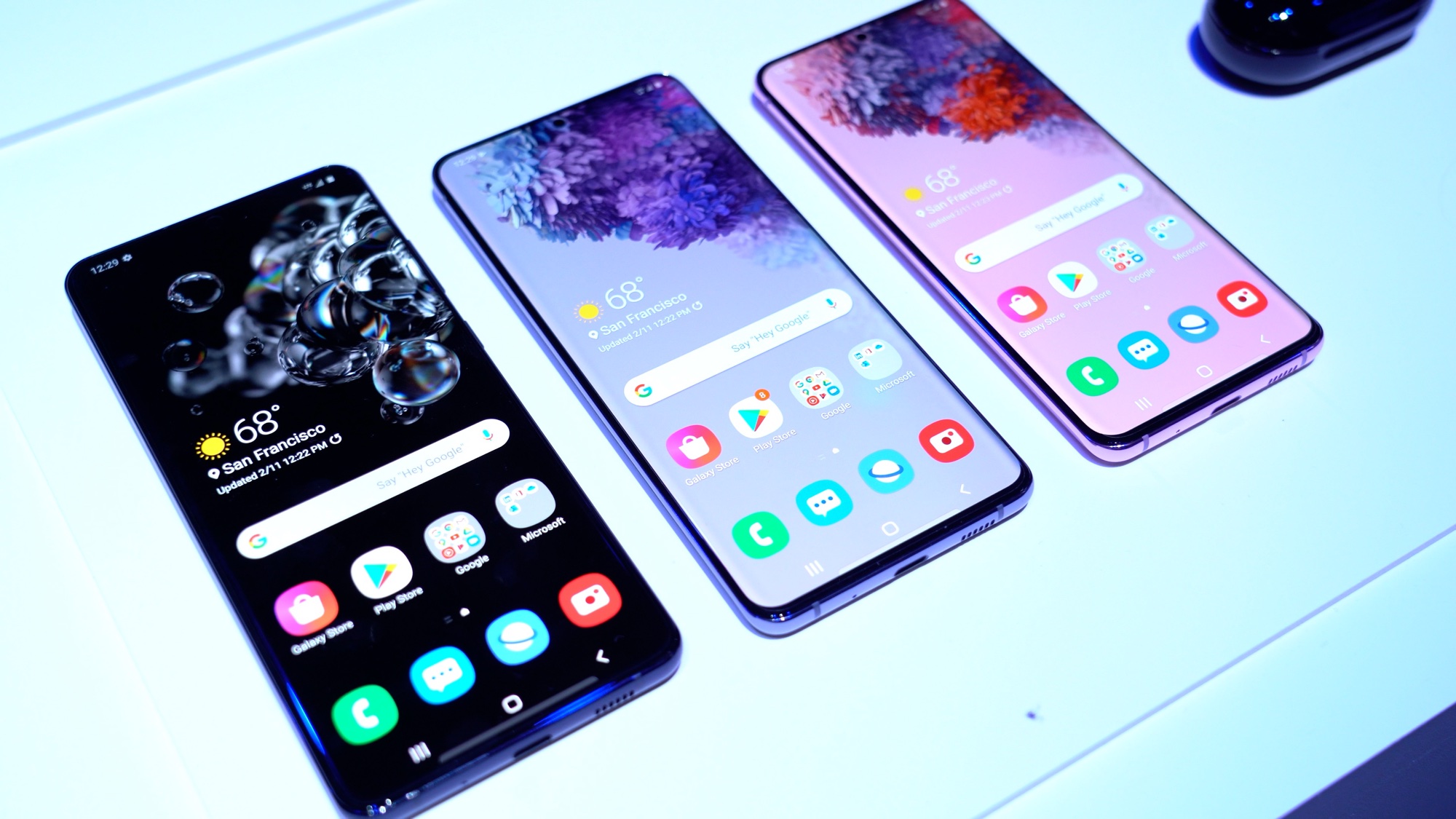
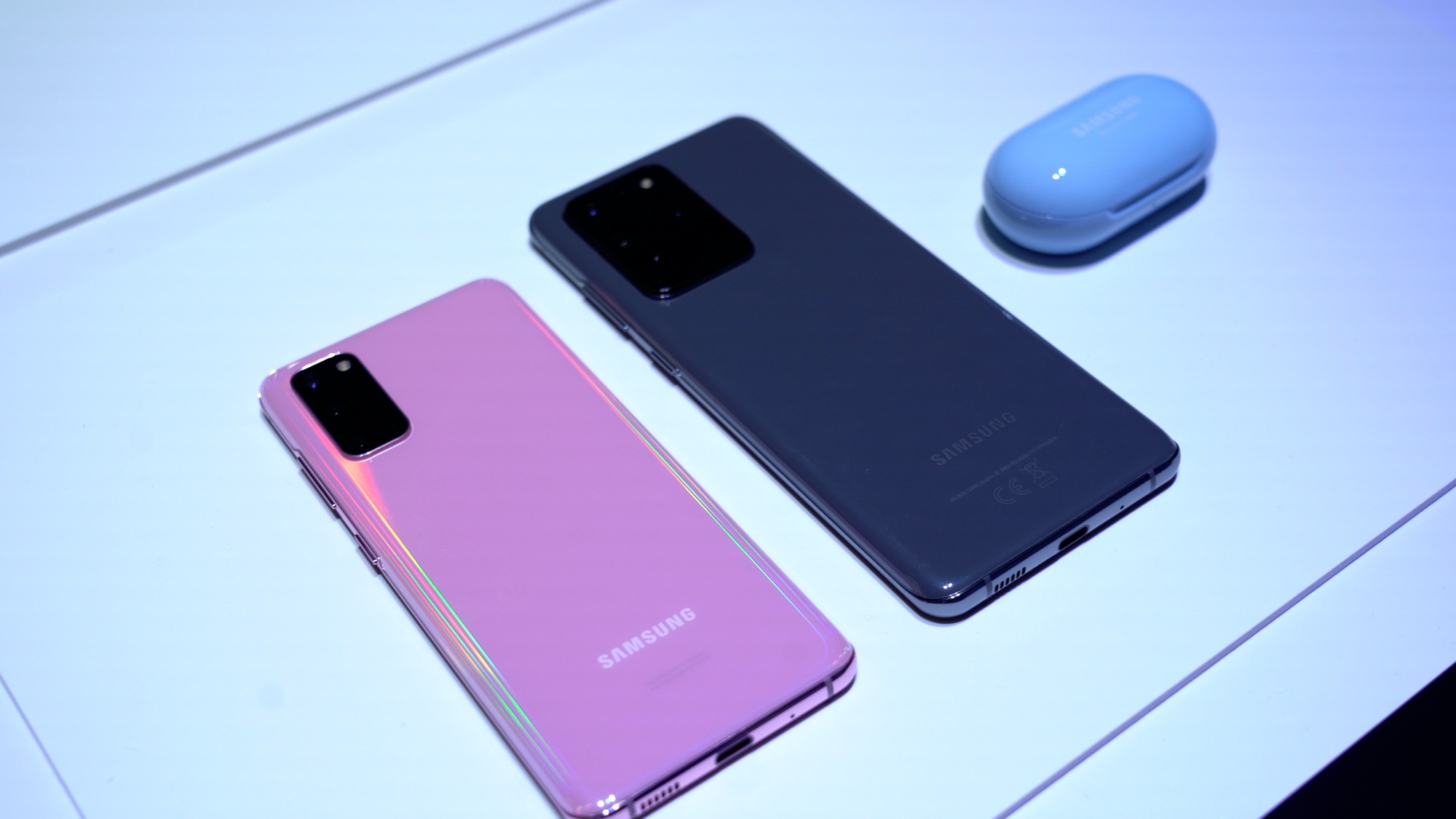
Samsung today announced a new slate of 2020 smartphones, debuting a range of devices that include the S20 5G, the S20+ 5G, the S20 Ultra 5G, and the most novel, the foldable Galaxy Z Flip.
MacRumors videographer Dan was in attendance at Samsung's Unpacked event in San Francisco, and he was able to spend some hands-on time with the new smartphones. Watch the video below for some close-up details and opinions on Samsung's new lineup, which competes both with Apple's current lineup and its upcoming 2020 smartphones, which we expect to see in September.
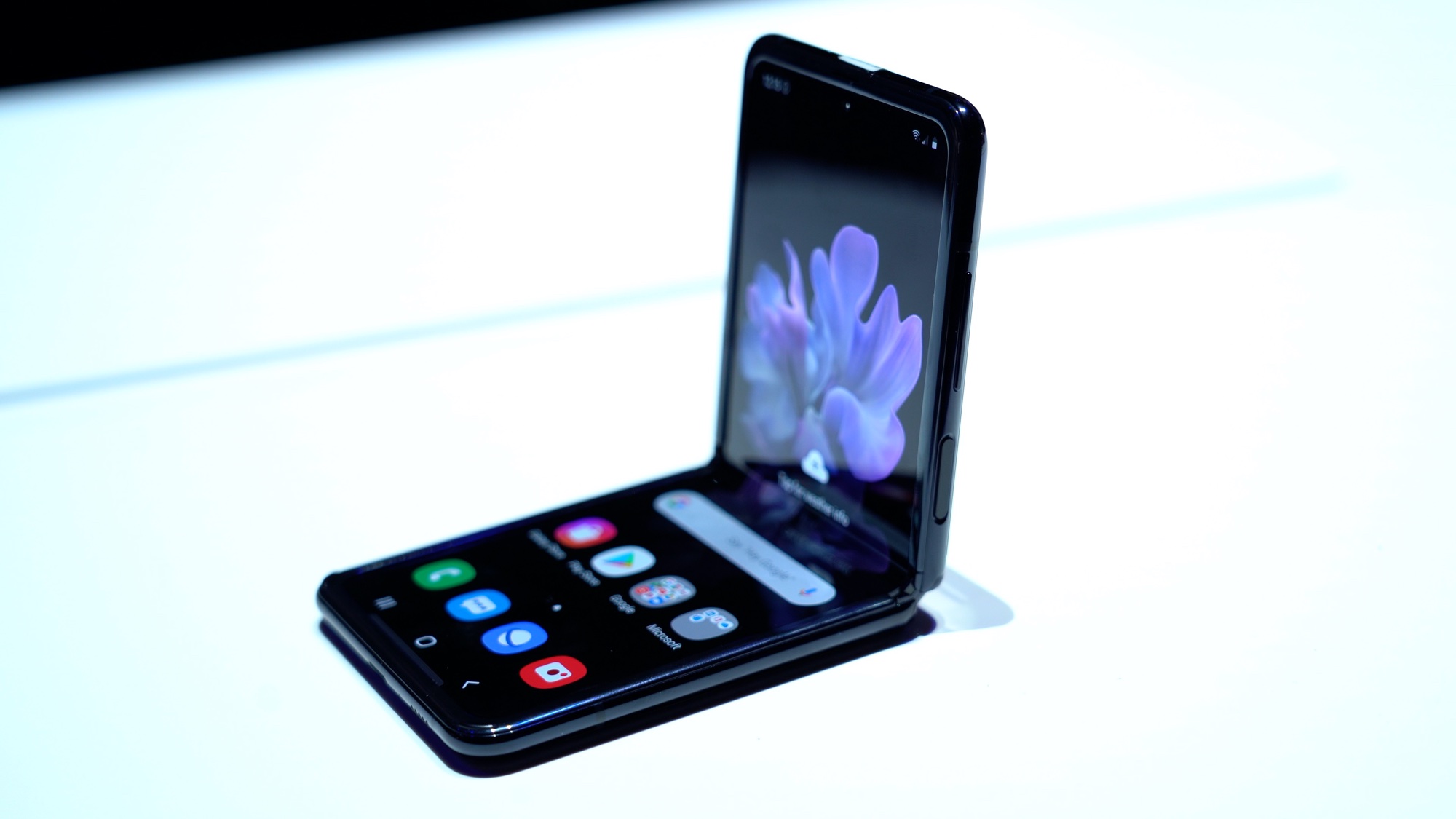
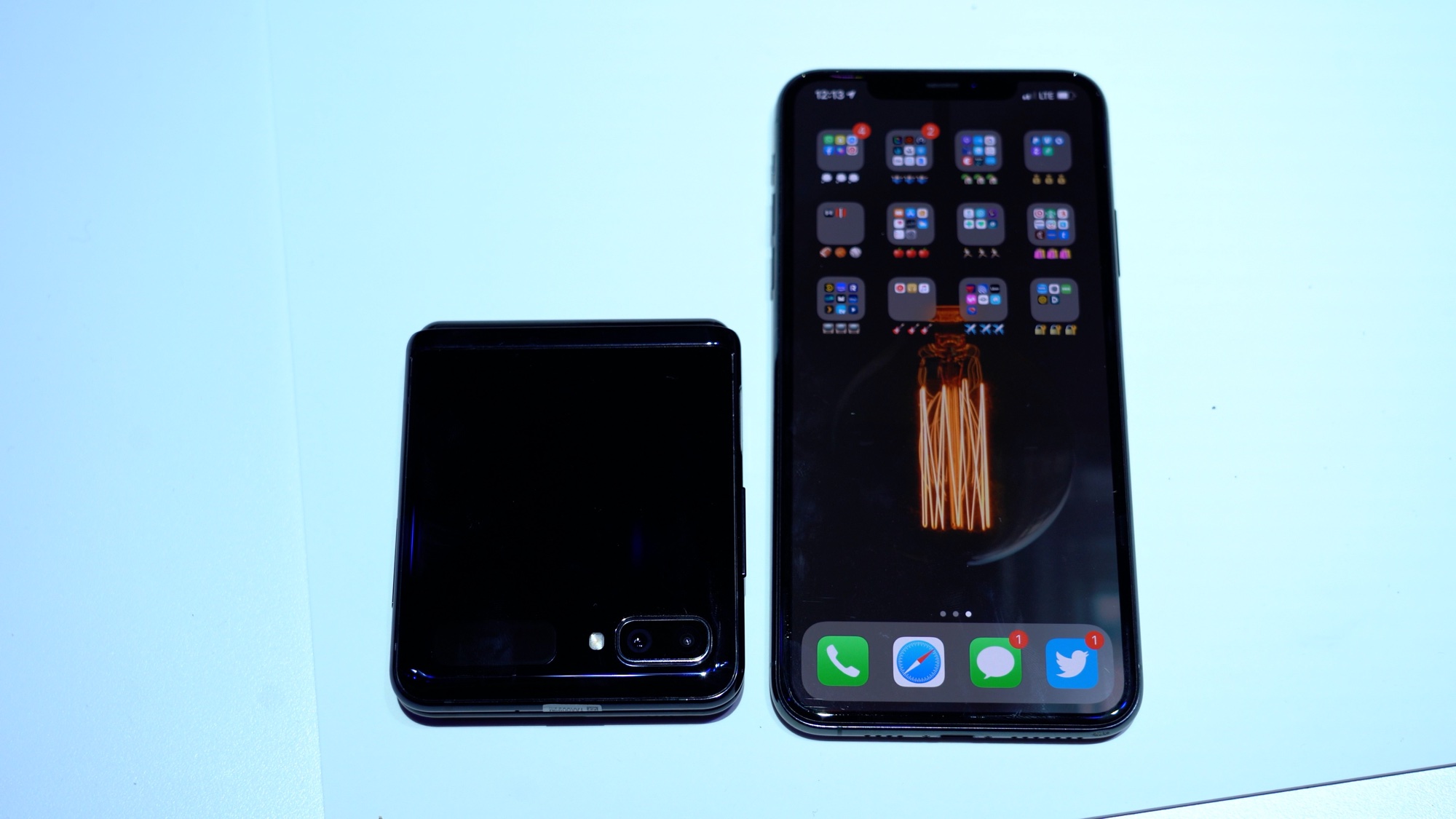
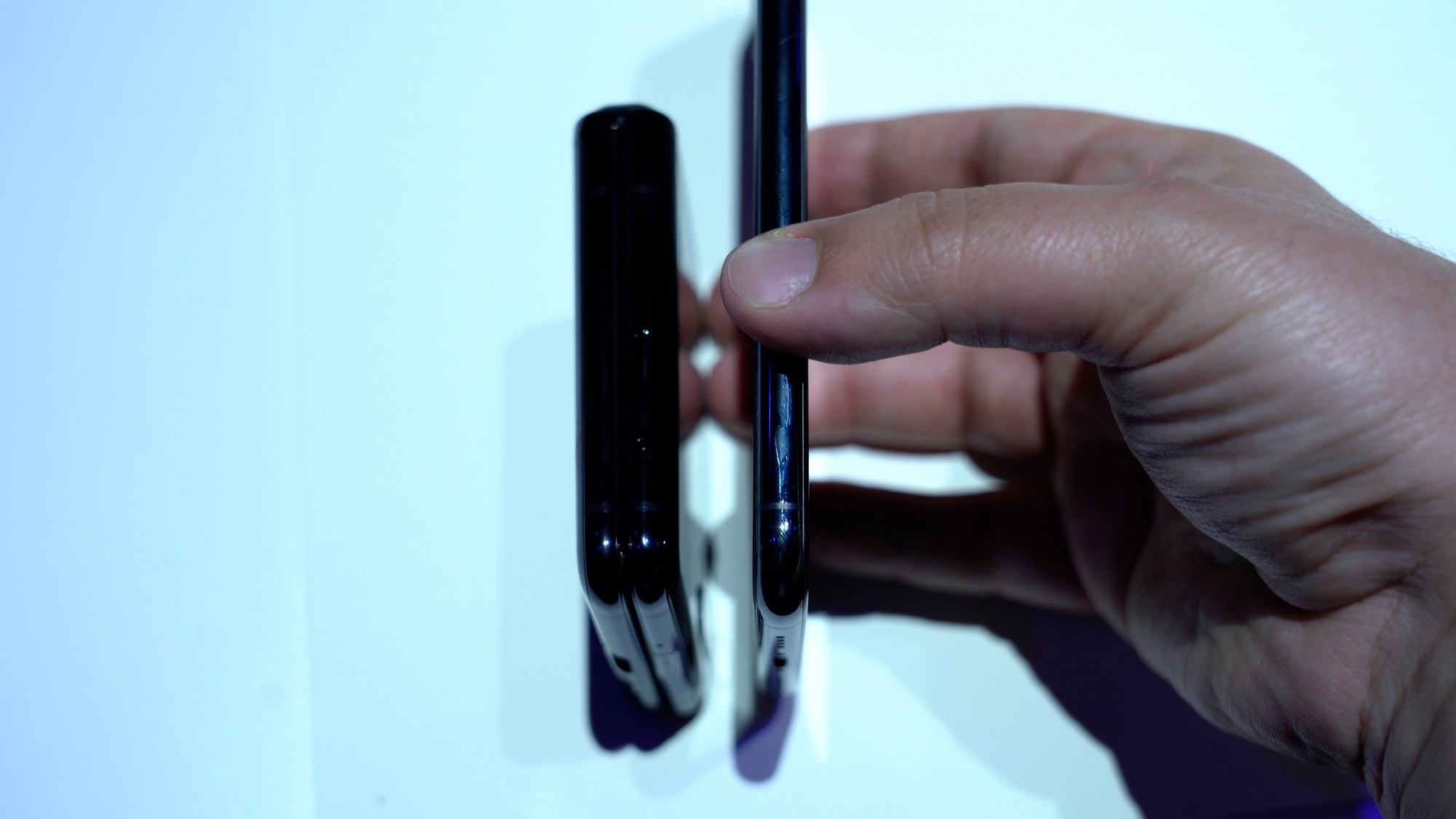
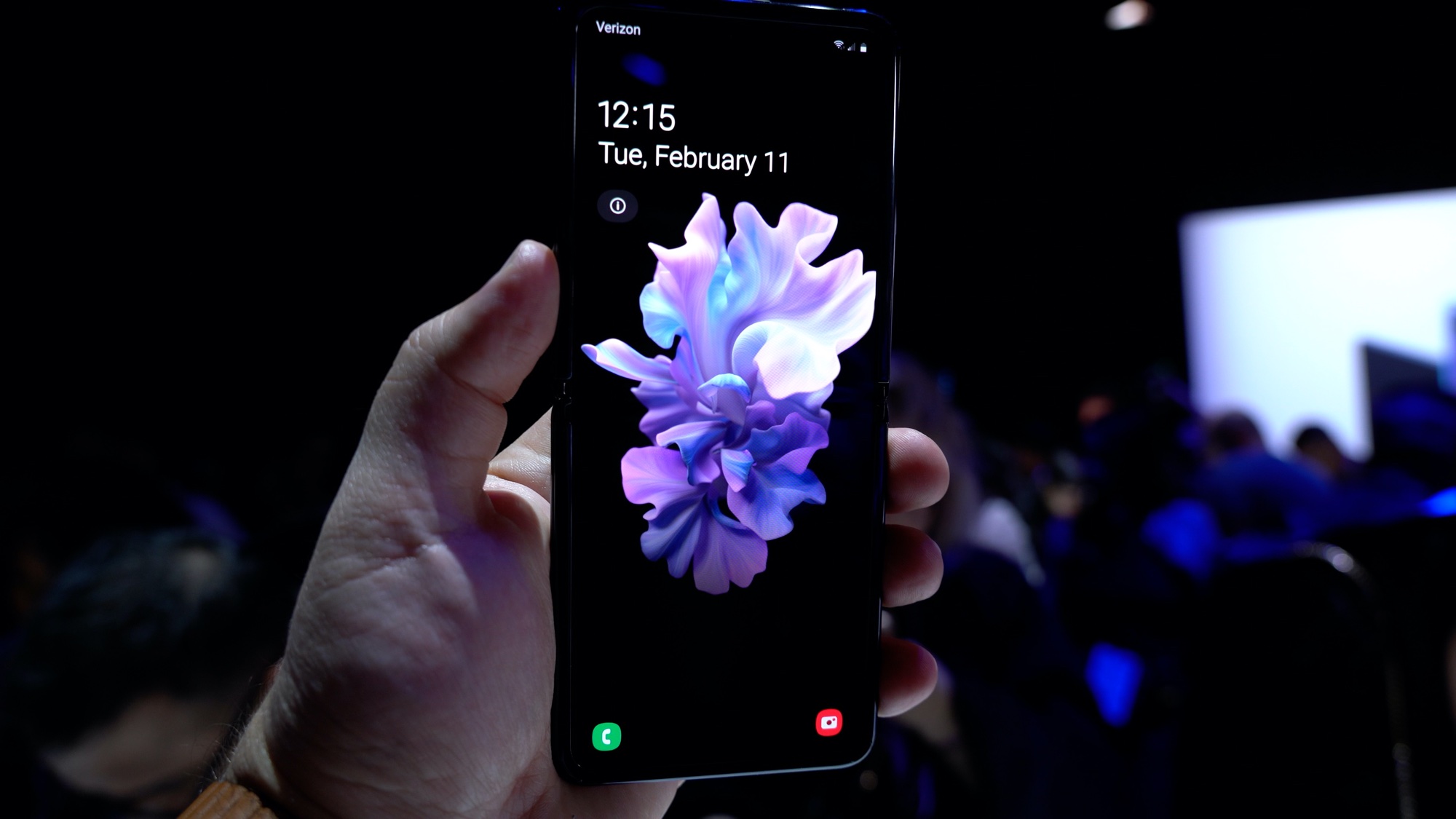
Samsung's Galaxy Z Flip is its second foldable device, but the first that's designed with a smartphone form factor. The device starts out as a 6.7-inch smartphone, but folds in half to make it more pocketable.
The Z Flip is Samsung's first foldable smartphone that uses a glass display, with Samsung adopting new ultra thin foldable glass technology. Using glass rather than a laminate material results in a nicer display and a device that overall, feels more premium.
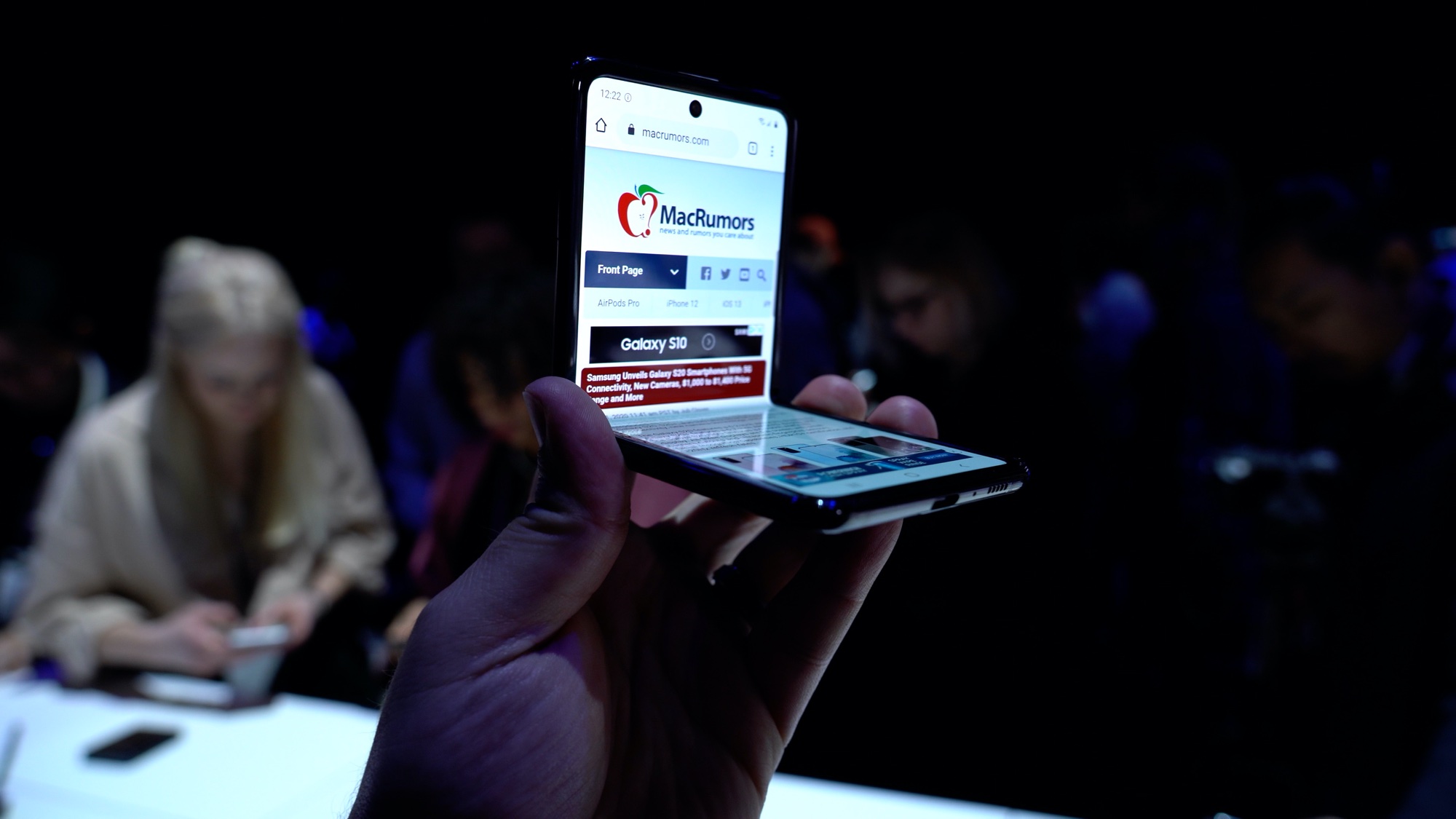
The hinge feels sturdier than the hinge in the Galaxy Fold, and it's a neat design because it can be set to multiple different angles and used in what's called "Flex Mode" while half folded. In this mode, the bottom half props up the top half for a hands-free mode that can be used for selfies and unique photography opportunities.
Because of the hinge design and the way that it's meant to be used at multiple angles, the Z Flip doesn't open as easily as traditional flip phones, which is a net positive. It has a solid build and doesn't feel as fragile as the Galaxy Fold.
Samsung is charging a whopping $1,380 for the Galaxy Z Flip, which is sensationally expensive for what's essentially a gimmick, but it is a high-quality, solid design that demonstrates what's possible with foldable display technology.
Samsung also showed off its new Galaxy S20, S20+, and S20 Ultra flagship devices, all of which feature 5G connectivity, huge batteries, giant bezel-free displays, and impressive camera technology.
Samsung's smartphones range in size from 6.2 to 6.9 inches, and on the higher end, 6.9-inches is massive, especially for a device that has a bezel-free design with just a single pinhole camera cutout at the top. All of the phones offer HDR10+ support along with 120Hz refresh rates, but using the 120Hz refresh rate requires bumping the resolution down to 1080p.
There are some unique camera features, especially in the high-end Samsung S20 Ultra. It features a 12-megapixel ultra wide-angle camera, a 108-megapixel wide-angle camera, a 48-megapixel telephoto camera, and a Depth Vision Camera.
The cameras are designed to take improved images in low lighting conditions, and Samsung showed off an impressive 10x lossless zoom feature that offers a total of 100x zoom on the S20 Ultra.
When it comes to batteries, these smartphones have 4,000 to 5,000mAh capacities, which beats out anything the iPhone has to offer at the current time. Samsung's devices are definitely premium and are bringing Samsung's best tech to lure smartphone users away from the iPhone, but they also have premium prices.
The Galaxy S20 has a price tag of $1,000, the S20+ is priced at $1,200, and the Galaxy S20 Ultra is priced at $1,400 and is a bit more expensive than the Galaxy Z Flip.
We're going to have more in-depth coverage of the Galaxy Z Flip and Samsung's new S20 smartphones coming in the near future, so expect to see some detailed comparisons with Apple's smartphones starting later this week.
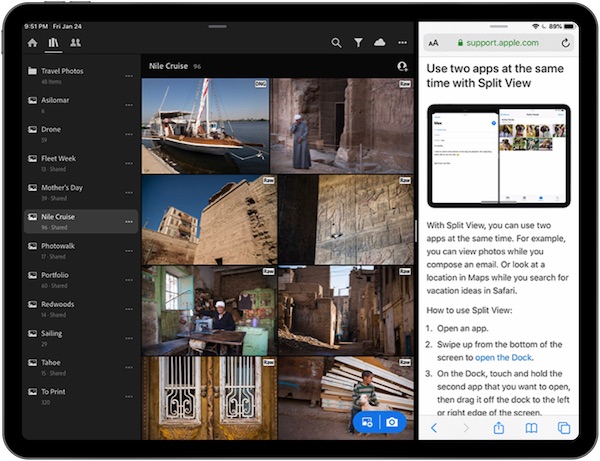
Adobe today updated its Lightroom app for iPad with a few new features, most notably including Split View support on compatible iPad models, allowing Lightroom and another app to be open side by side.
How to use Split View
Open an app
Swipe up from the bottom of the screen to open the Dock
On the Dock, touch and hold the second app that you want to open, and then drag it to the left or right edge of the screen
How to adjust Split View
To give the apps equal space on the screen, drag the divider to the center of the screen
To turn a Split View into a Slide Over, swipe down from the top of the app
To close Split View, drag the divider over the app that you want to close
Split View is supported on all iPad Pro models, the fifth-generation iPad and later, the iPad Air 2 and later, and the iPad mini 4 and later.
Adobe has outlined various other Lightroom enhancements in a blog post.
As expected, U.S. federal judge Victor Marrero today approved T-Mobile's proposed $26 billion acquisition of Sprint, which would create a dominant third-largest carrier alongside AT&T and Verizon in the United States.
The FCC formally approved the merger in November 2019, but a group of state attorneys general filed an antitrust lawsuit aiming to block it. The states argued that combining the two companies was not in the public's interest, claiming that it would reduce competition and lead to higher smartphone bills.
In his decision, however, Marrero concluded that "T-Mobile has redefined itself over the past decade as a maverick that has spurred the two largest players in its industry to make numerous pro-consumer changes," referring to AT&T and Verizon, and expressed optimism that the merged company would be able to continue this successful business strategy for the foreseeable future.
Following the decision, T-Mobile has announced that it is now working with Sprint on the final steps to complete their merger to create the "New T-Mobile," noting that the deal could close as early as April 2020.
T-Mobile added that it is committed to delivering the same or better rate plans at the same or better prices for at least three years, including 5G.