Wednesday, November 14, 2018

You soon might be able to FaceTime from your Apple Watch


via News – MySmartPrice https://ift.tt/2qKtPZc

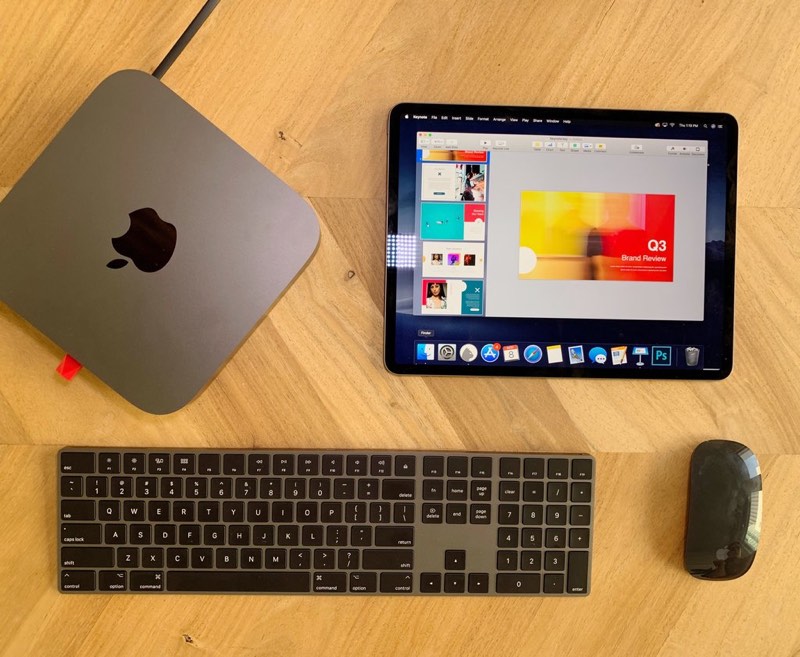
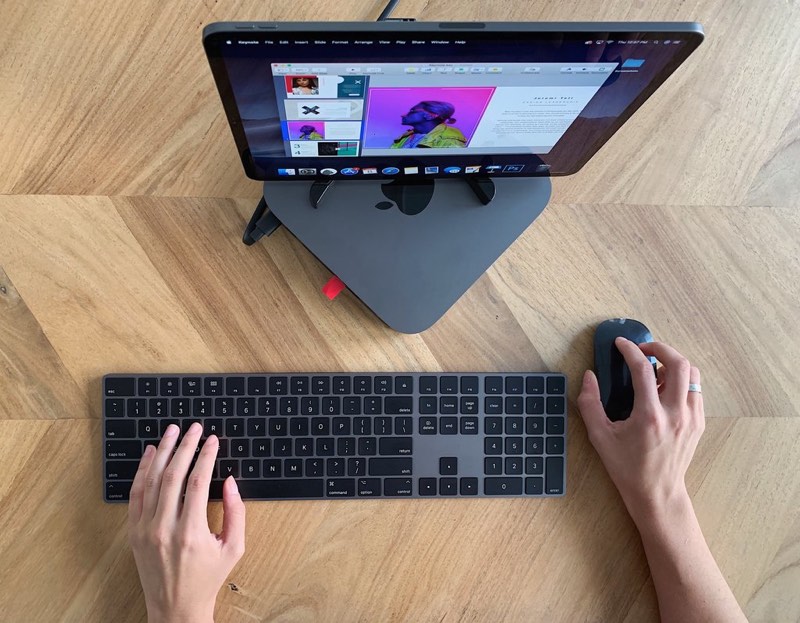
iPad Pro Works as Mac Mini Display With Astropad's Luna Display

https://ift.tt/2DmI4e8

Apple's Mac mini machines ship sans peripherals, which means there's no display, keyboard, or mouse included. It's a bring-your-own desktop.

As it turns out, if you have one of the new Mac minis, you can use an iPad Pro as a display with Astropad's Luna Display dongle, which is designed to turn an iPad into a second display for a Mac.


Luna Display hasn't previously been used as a primary display because it's been paired with Macs that come equipped with a display, but since the Mac mini has no display, it's the perfect machine for testing an iPad Pro as a primary display.

In a blog post, Astropad explains how the Luna Display dongle, the iPad app, and Mac app can be used together to turn the iPad Pro into a Mac mini display, with full instructions available.


According to the Astropad team, using the iPad Pro this way was like a "whole new product" because it's essentially macOS on the iPad with the Luna app, and a regular iPad Pro when not in the Luna app
This setup truly combines the best of both Mac and iPad, with the processing power of the Mac Mini and the edge-to-edge retina display of the iPad. Using Luna, we're able to take full advantage of every pixel on the iPad at full retina resolution. It offers more ways to interact with your macOS too, where you can seamlessly flow from mouse, to keyboard, to Apple Pencil, to touch interactions. And since Luna runs over WiFi, you have the flexibility of a completely wireless workspace. It all just works.
To get the same setup, you'll need a Luna Display dongle to plug into the Mac mini's USB-C port, the accompanying apps, an iPad Pro (any will work, but best results will be seen with Apple's newest model), a keyboard, a mouse, and a reliable WiFi network.


The Luna Display can be purchased from the Luna Display website for $80.

Related Roundup: Mac mini
Buyer's Guide: Mac Mini (Buy Now)

Discuss this article in our forums


from MacRumors: Mac News and Rumors - All Stories https://ift.tt/2RXefoN

Apple's New 2018 MacBook Air vs. Old MacBook Air

https://ift.tt/2zUN9Ht

Apple in October gave us a major surprise with the launch of an entirely revamped, updated version of the MacBook Air, its most popular and affordable notebook option.

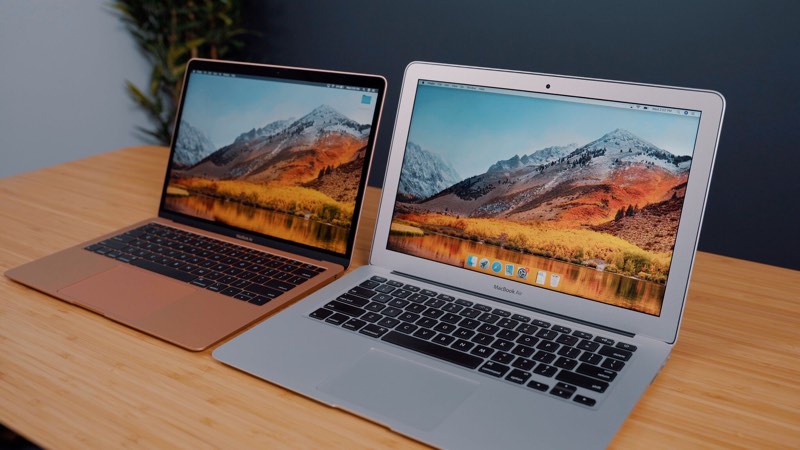
We went hands-on with the MacBook Air last week, and this week, we picked up an older MacBook Air to compare the new model to see just what's different and whether it's still worth buying the old version, which sells for $200 less than the current model.

Subscribe to the MacRumors YouTube channel for more videos.

The previous-generation MacBook Air is a 2015 design, but in 2017, Apple introduced 1.8GHz Broadwell-generation chips that were a slight upgrade from the 1.6GHz chips the machine had previously used. No other changes were made, so technically, Apple's old MacBook Air is outdated by several years.

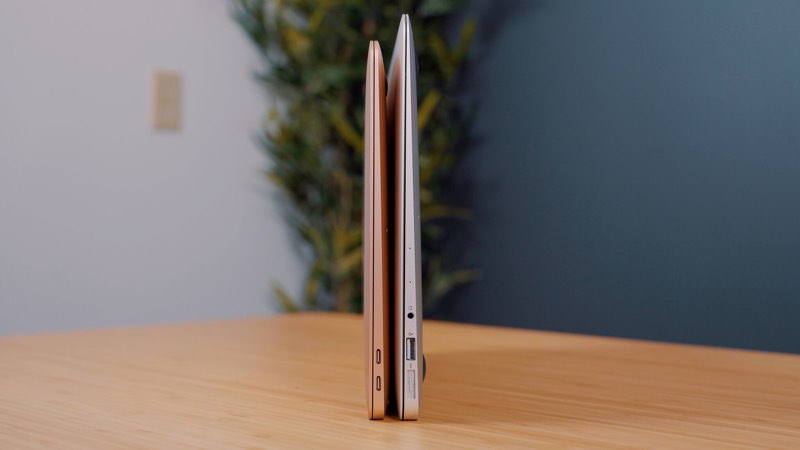
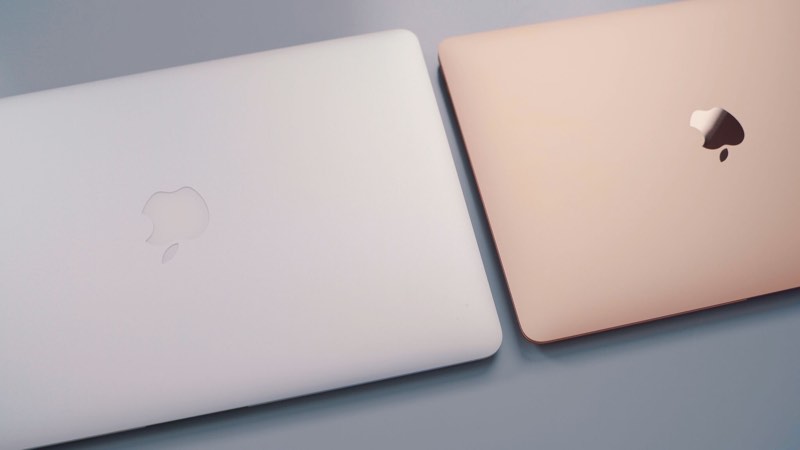
Design wise, the new MacBook Air features a smaller, slimmer body that weighs a bit less, and the slimmer design is noticeable. It continues to feature the same tapered design as the previous models, and we didn't think the weight difference of a quarter of a pound stood out.

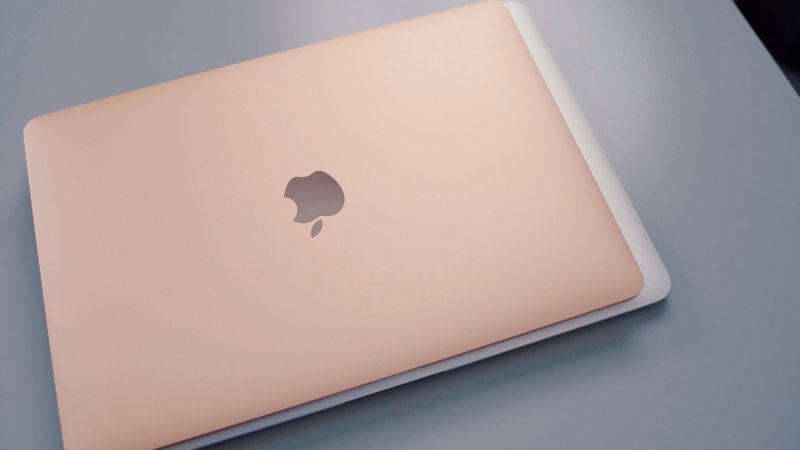
Along with a slimmed down body, the new MacBook Air comes in three color options: Space Gray, Gold, and the traditional Silver. Space Gray and Gold are colors that are new to the MacBook Air lineup.

The biggest change to the 2018 MacBook Air models is the display, which is now Retina and a huge improvement over the low resolution display in the previous MacBook Air. The MacBook Air used to be the sole Apple device sans Retina display, but now Apple uses higher-resolution displays across its entire product lineup.


We thought the MacBook Air's new display offered a significant improvement over the previous MacBook Air's display, but it doesn't quite measure up to the display of the MacBook Pro because it's just not that bright. Brightness can be an issue outdoors in sunlight, so that's something to be aware of.


Design wise, the front of the MacBook Air has been overhauled. Those thick silver bezels from the previous version have been replaced with sleek, slim MacBook Pro-style black bezels that look much, much nicer.

Several other MacBook Pro features have been brought to the new MacBook Air and are upgrades over the previous model. There's a larger Force Touch trackpad, a third-generation butterfly keyboard, better speakers, a Touch ID button for authentication purposes, and a T2 chip for improved security.


Inside, the new MacBook Air is sporting a 7W 8th-generation 1.6GHz Intel Core i5 processor, and unsurprisingly, it's much speedier than the three-year-old processors used in the prior MacBook Air. Apple used to use 15W chips in the MacBook Air models, but this new, lower power 7W chip is both fast and efficient, allowing for longer battery life than ever.

The last super notable change is to the port setup. The new MacBook Air has two Thunderbolt 3 ports and a 3.5mm headphone jack, with Apple eliminating the USB-A ports and the SD card slot from the older model. The addition of Thunderbolt 3 brings the MacBook Air in line with the rest of the Mac lineup and allows it to connect to 4K and 5K displays, faster Thunderbolt 3 storage, eGPUs, and more.


All of these changes have raised the base price of the MacBook Air. Prior to the October update, the MacBook Air sold for $999, but now the base model sells for $1,199, a $200 premium. Given the scope of the revamp, the $200 upgrade fee is well worth paying for anyone thinking of purchasing a MacBook Air.

Apple is still selling the older model at the same $999 price point, but it's just not worth purchasing because the components are so outdated at this point.

What do you think of Apple's new MacBook Air? Let us know in the comments.

Related Roundup: MacBook Air
Buyer's Guide: MacBook Air (Buy Now)

Discuss this article in our forums


from MacRumors: Mac News and Rumors - All Stories https://ift.tt/2Ps14zs

After Hulu, YouTube Makes its Way to the Nintendo Switch


via News – MySmartPrice https://ift.tt/2QNAJbK

Official Google Store Black Friday/Cyber Monday Deals on Pixelbook, Home Hub, Chromecast & More


via Chrome Unboxed – The Latest Chrome OS News https://ift.tt/2zUG1uN

Review: Nomad's Base Station Lets You Wirelessly Charge an iPhone and an Apple Watch in One Convenient Location

https://ift.tt/2zbnE58

Nomad, a company that makes various cables, chargers, cases, and other accessories for Apple devices, recently came out with an updated version of its Base Station charger.

While the original Base Station is designed to wirelessly charge two iPhones at once, the updated Apple Watch version is able to charge an iPhone and an Apple Watch.
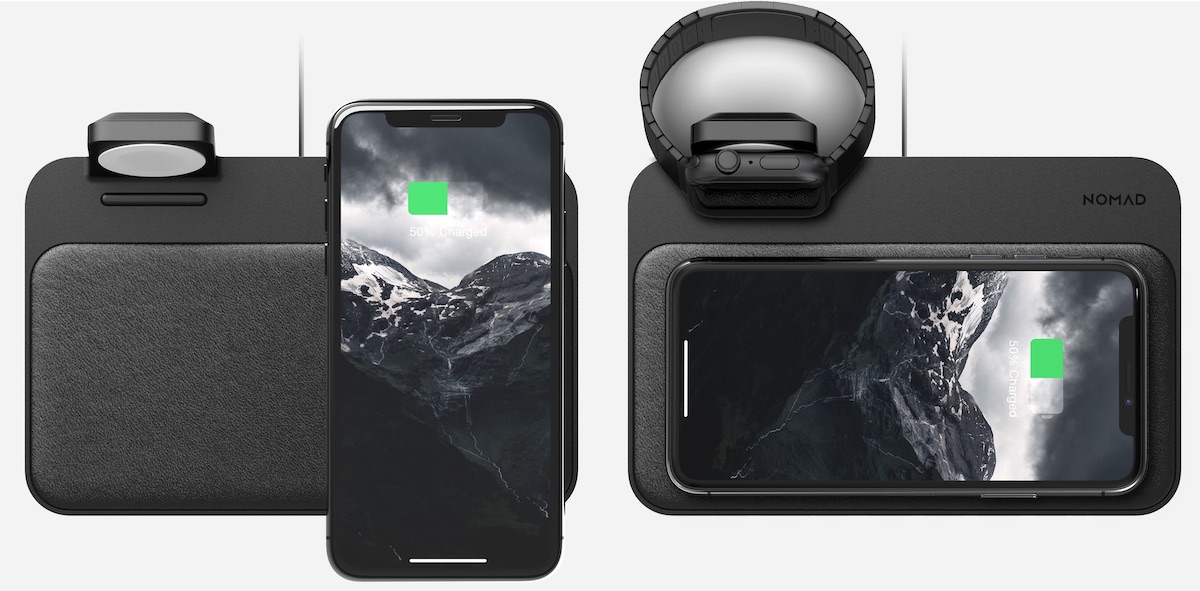

The Base Station Apple Watch Edition features a flat, leather covered aluminum wireless charging pad that has an elevated Apple Watch magnetic charging puck on the left side to accommodate an Apple Watch. The positioning of the Apple Watch charger allows for the Apple Watch to be placed into nightstand mode, ideal for charging on a bedside table.

Design wise, the Base Station is a sleek black color, which will fit well into any modern office or room setup. The bottom features two non-slip rubber strips to keep it in place, and the leather pad keeps the iPhone from moving around while charging while also offering a soft place to put it.


When it comes to size, because this is a flat charger, it takes up more space than an upright charger might. It measures in at a little over six inches long and about 4 inches wide, so it's not huge, but it's definitely bigger than some other combined Apple Watch/iPhone chargers. I'd like to see Nomad make one of these with a smaller footprint that has an upright charger option and an Apple Watch charging option.


There are a total of three wireless charging coils built into the Base Station for charging the iPhone, so it can charge an iPhone that's placed horizontally across the charging pad or vertically on the right side.


The original Base Station can charge two iPhones at once, but because of the positioning of the Apple Watch charging puck, this one works with just one iPhone. It does comfortably fit any size iPhone, though, from the 4.7-inch iPhone 8 to the 6.5-inch iPhone XS Max.

You can't fold down the Apple Watch portion of the charger, which means it's not ideal for taking along when traveling. A fold-down solution would have allowed the Base Station to work either with an Apple Watch or two iPhones, but since the Apple Watch charger is a permanent fixture, that's not a possibility.


On its website, Nomad says that the Apple Watch Base Station can charge three devices at the same time, but what this is referring to is a Qi-enabled adapter for the AirPods. So if you happen to have a wireless charging adapter like the HyperJuice for your AirPods, you can wirelessly charge the AirPods on the Base Station along with an Apple Watch and an iPhone.

For this setup to work, the wireless charging case needs to be positioned on the left side under the Apple Watch charging puck, and the iPhone needs to be positioned vertically on the right side of the Base Station.

When Apple eventually releases an AirPods case that is able to charge the earbuds wirelessly, it will also work with the Base Station provided it supports Qi wireless charging as rumors have suggested.

There are three LEDs on the front of the Base Station that will let you know how many devices are being charged at once. It is equipped with an ambient light sensor, so at night, the light dims down and won't disturb sleep, which is a thoughtful design choice. A white light indicates a fully charged device, while amber lets you know that a device still needs charging.


Since there are three coils in this Base Station, I had no problem getting my iPhone to charge right away when I put it on the charger horizontally, but with the iPhone XS Max, I did have to fidget with it a bit to get it to charge when it was placed vertically on the right side, which is standard operating procedure with most flat chargers like these.

The Base Station itself is powered by an included cord and power adapter, which is rather large. On the plus side, though, the adapter comes with different swappable plugs for use in Europe and the UK, so you could potentially travel with it.

This is a 7.5W wireless charger, which means it's charging Apple's iPhones at the maximum charging speed that Apple supports. In my testing, my iPhone X placed in airplane mode charged from 1 percent to 44 percent in an hour, which is about the charging speed that I see from most 7.5W wireless charging options.


Like all Qi-based wireless chargers the Nomad works with Apple's iPhones and other smartphones that have wireless charging support, as many Android devices do. For Android devices, the Base Station supports charging speeds up to 10W.

You can charge your iPhone with the Base Station while the iPhone is in a case, and in our experience, most cases except for cases that are super thick, have wallet inserts at the back, or that have metal components will charge fine.

Bottom Line


This is an attractive, high-quality charging station that fits in well with modern office designs, and it offers an all-in-one solution for charging both an Apple Watch and an iPhone at the same time.

It is, however, expensive at $120, which is going to deter some buyers. Standalone Apple Watch and wireless iPhone charging solutions are available at more affordable price points, as are combined charging options.


Nomad is using Apple-certified components, including an Apple-approved Apple Watch charger, and Apple certification doesn't come cheap, which explains the high price tag. The price is definitely going to be a dealbreaker for some people, but those who don't mind paying a premium for design and all-in-one charging will want to give the Nomad Base Station a look.

How to Buy


The Apple Watch version of the Base Station can be purchased from the Nomad website for $119.95. There are a limited number of Base Stations available, but customers can sign up to be notified when a restock happens.

Note: Nomad provided MacRumors with an Apple Watch Base Station for the purpose of this review. No other compensation was received.

Tag: Nomad

Discuss this article in our forums


from MacRumors: Mac News and Rumors - All Stories https://ift.tt/2PrHxPE

Apple Shares New 2018 Holiday Gift Guide

https://ift.tt/2Q0I8XO

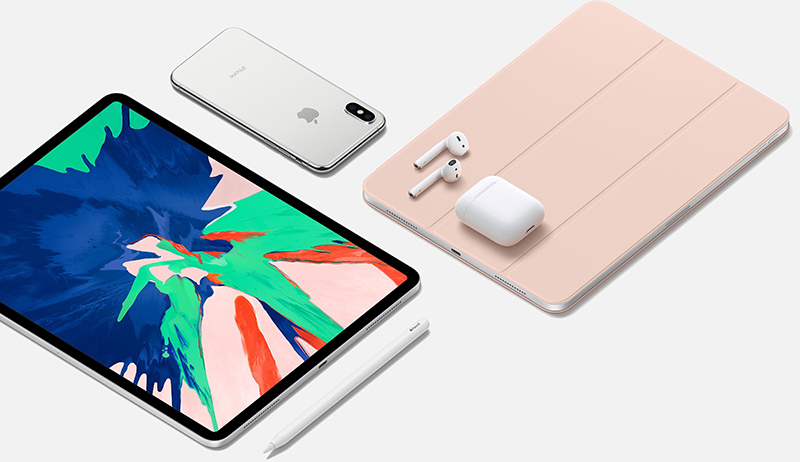
Apple today updated its website to introduce its annual holiday gift guide, recommending Apple products for people to purchase for friends and family this holiday season.

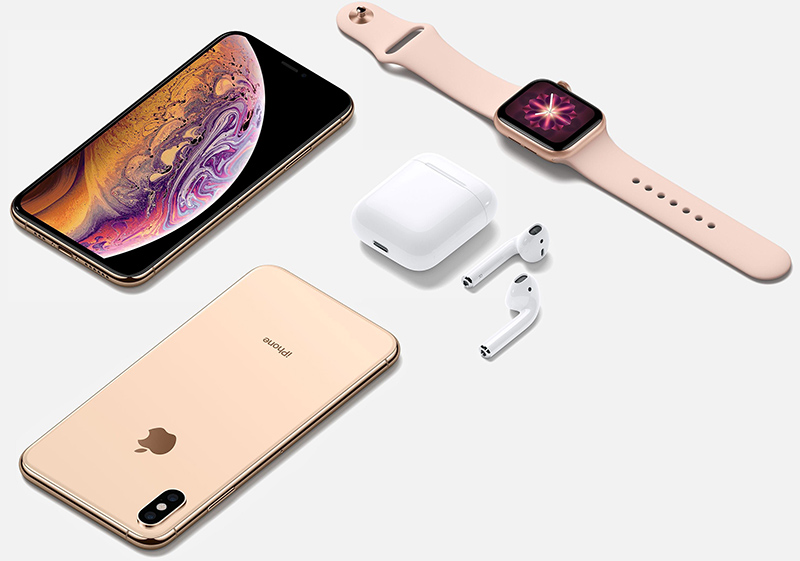
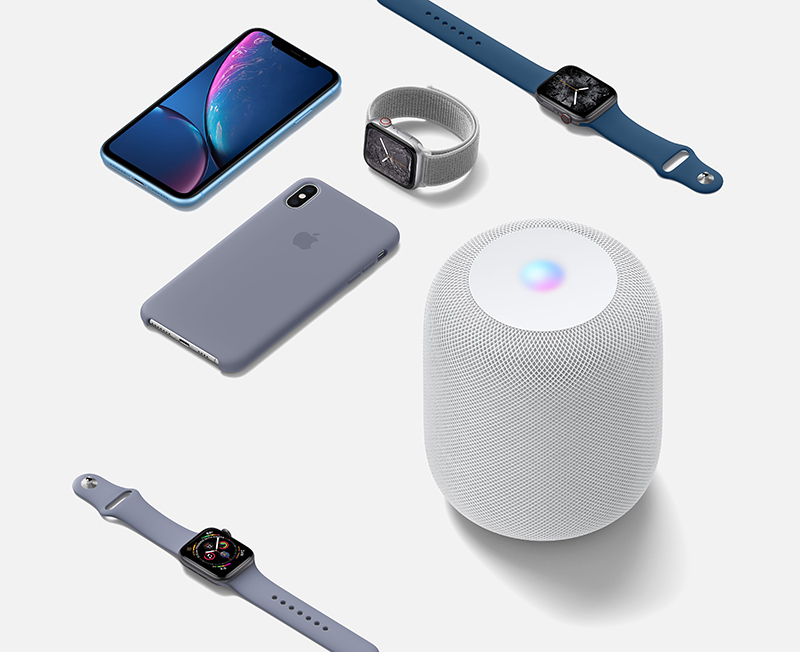
This year's gift guide is streamlined and simple, focusing primarily on Apple's newest selection of devices organized into different color collections.


The $999 iPhone XS, the $159 AirPods, and the Apple Watch Series 4, starting at $499, are the top three recommendations in the gift guide and these are the devices that are also likely to top many holiday wishlists.

Apple's AirPods in particular have been an incredibly popular gift choice since they launched and their popularity has shown no signs of waning.

iPhone XS cases, stainless steel Apple Watch Series 4 models, and Apple Watch Sport Loops in shades of pink, gray, and brown are also top picks, but scrolling down on the page, there's an iPhone XR-focused section.

In this portion of the guide, Apple recommends the $749 iPhone XR, which comes in a variety of colors, along with the $349 HomePod, iTunes gift cards, and Apple Watch bands and iPhone XS cases in shades of gray, blue, and cream.


Apple can't recommend iPhone XR cases in this iPhone XR section because it hasn't come out with first-party iPhone XR case options.

A third section recommends devices like the new iPad Pro, which starts at $799, the Apple Pencil 2, and the Smart Keyboard Folio for the iPad, while other recommendations further in the guide cover the Apple TV 4K, the Magic Mouse 2, the 13-inch MacBook Air, and more.


Apple usually recommends some third-party products in its gift guide, but has not done so this year, choosing instead to focus on its own devices.

In addition to sharing its gift guide, Apple today also kicked off its holiday return period, offering a holiday extension on its typical two week return period. Most Apple products purchased between November 14, 2018 and December 25, 2018 can be returned to Apple through January 8, 2019.

Extended holiday returns are available in the United States, Canada, Australia, the UK, and other select regions. As is typical, Apple is offering two-day shipping on all purchases, and later in December, will likely offer one-day shipping options for last minute shoppers.
Discuss this article in our forums


from MacRumors: Mac News and Rumors - All Stories https://ift.tt/2ROE1eA